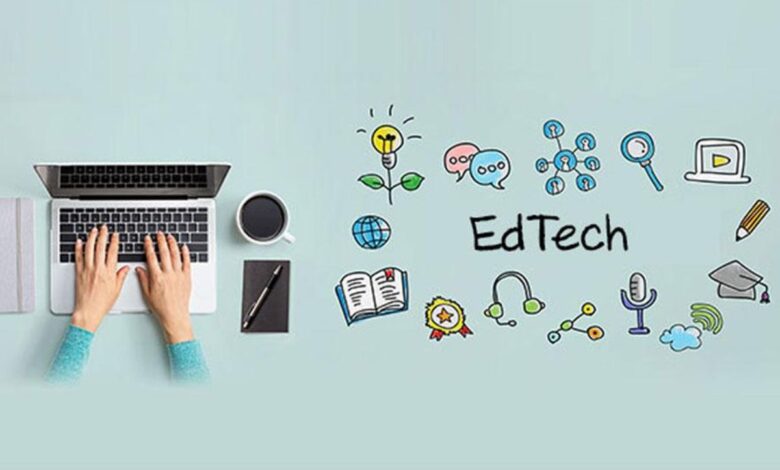
In today’s rapidly evolving world, online education courses for students have become a game-changer, providing flexible access to knowledge that fits busy schedules and diverse learning needs. These courses empower young learners to explore new subjects, build essential skills, and prepare for future careers without traditional classroom constraints.
Introduction to the Rise of Digital Learning
The shift toward digital education has transformed how students acquire knowledge worldwide. With advancements in technology, learners can now engage with world-class instructors and resources from the comfort of their homes. This guide delves deep into the world of online education, highlighting its advantages, popular platforms, selection criteria, and practical strategies for success. Whether you are a high school student aiming to supplement your studies or a college learner seeking specialized skills, understanding these options opens doors to endless possibilities.
Online learning promotes self-paced progress, interactive content, and global collaboration. It aligns perfectly with modern lifestyles, allowing students to balance studies with family responsibilities, extracurricular activities, and personal growth. As we explore further, you will gain insights into how these courses foster critical thinking, creativity, and lifelong learning habits.
What Are Online Education Courses and How Do They Work
Online education courses refer to structured learning programs delivered primarily through the internet. They range from short modules on specific topics to comprehensive certificate or degree programs. Platforms use video lectures, quizzes, assignments, discussion forums, and live sessions to create an engaging experience.
These courses operate via learning management systems (LMS) that track progress, provide feedback, and issue certificates upon completion. Students access materials anytime, making learning convenient and inclusive for those in remote areas or with varying time zones. Related terms like e-learning platforms and virtual learning opportunities often describe similar systems that emphasize interactivity and multimedia content.
The core components typically include.
- Pre-recorded or live video lessons for visual understanding.
- Interactive quizzes and assessments to reinforce knowledge.
- Peer discussion boards for collaboration.
- Downloadable resources such as notes, e-books, and toolkits.
- Progress tracking dashboards to monitor achievements.
This format encourages active participation rather than passive listening, leading to better retention and application of concepts.
Key Benefits of Online Education Courses for Students
One of the most significant advantages is flexibility. Students can learn at their own pace, revisiting difficult topics without pressure. This is particularly helpful for those juggling academics with part-time work or family duties.
Accessibility stands out as another major benefit. Learners from any background can access high-quality education that might otherwise be unavailable locally. Virtual classrooms break geographical barriers, connecting students with experts across continents.
Cost-effectiveness is evident too. Many courses are free or low-priced compared to traditional tuition, with options for scholarships or financial aid alternatives through platform partnerships. This democratizes education and reduces financial stress.
Skill development is accelerated through practical, real-world focused content. Courses often include hands-on projects in fields like coding, graphic design, or data analysis, preparing students for job markets.
Personalized learning paths cater to individual strengths and weaknesses. Adaptive technologies adjust difficulty levels based on performance, ensuring steady growth.
Moreover, online formats promote digital literacy—a crucial skill in the 21st century. Students become proficient in using tools like video conferencing, cloud storage, and collaborative software.
Health and well-being aspects also improve. Reduced commuting means more time for exercise, rest, and mindfulness practices, contributing to balanced student life.
Popular E-Learning Platforms and Virtual Learning Opportunities
Several leading platforms dominate the space, each offering unique features tailored to student needs.
Coursera partners with top universities and organizations worldwide. It provides courses in diverse subjects, from computer science to humanities. Many programs lead to recognized certificates that boost resumes. Its structured approach suits students seeking academic rigor.
edX offers similar university-level content, with options for verified certificates. It emphasizes open access and has a strong focus on professional development.
Khan Academy stands out for free, foundational learning. Ideal for younger students or those needing basics in math, science, and history, it uses engaging videos and practice exercises.
Udemy features thousands of affordable courses taught by industry professionals. Its wide variety covers creative skills, business, and technology. Students appreciate the lifetime access and frequent discounts.
Skillshare focuses on creative and practical skills through short, project-based classes. It fosters community through peer reviews, making it great for artistic or entrepreneurial learners.
LinkedIn Learning integrates seamlessly with professional networking. Courses align with career goals, and completion badges enhance profiles.
Other notable mentions include MasterClass for inspirational sessions by experts and free resources like those highlighted on educational sites. For additional free educational resources, check out this insightful piece on the potential of EduGoodies: free educational resources for students, teachers and lifelong learners everywhere.
These e-learning platforms continue to evolve with AI-driven personalization and mobile apps for on-the-go learning.
How to Choose the Right Online Education Courses for Students
Selecting the ideal course requires careful consideration. Start by defining your goals: Are you building foundational knowledge, gaining certifications, or exploring hobbies?
Evaluate the platform’s reputation, instructor credentials, and student reviews. Look for courses with clear learning objectives, comprehensive syllabi, and regular updates.
Consider time commitment. Short courses suit beginners, while longer programs benefit advanced learners.
Check for interactivity levels. Courses with live sessions or group projects enhance engagement.
Budget plays a role, but many high-value options exist without high costs. Free trials help test compatibility.
Technical requirements matter—ensure your device and internet support the platform.
Alignment with career or academic paths is vital. For instance, STEM students might prioritize coding or data science, while others focus on languages or soft skills.
To deepen insights on specialized choices, explore how to choose the best online French classes and courses: tips and insights.
Top Recommended Courses Across Disciplines
In science and technology, options like “Introduction to Computer Programming” on Coursera or Khan Academy’s physics modules build strong foundations. For deeper exploration, consider the complete guide to learning electricity and magnetism basics for students and science enthusiasts alike.
Business and entrepreneurship courses teach marketing, finance basics, and leadership—essential for future innovators.
Language learning via Duolingo-integrated platforms or dedicated classes improves communication skills.
Creative fields benefit from design, writing, or photography courses on Skillshare.
Health and wellness programs cover nutrition, mental health awareness, and fitness, promoting holistic development.
Digital marketing and social media management courses prepare students for modern careers.
Each category offers beginner to advanced levels, with many providing digital skill development courses that directly translate to employability.
Challenges in Online Learning and Effective Solutions
Despite benefits, challenges exist. Distractions at home can hinder focus. Combat this by creating a dedicated study space and using time-blocking techniques.
Lack of face-to-face interaction may cause isolation. Join forums, virtual study groups, or schedule regular check-ins with peers.
Technical issues like poor internet require backups such as offline downloads.
Motivation dips are common. Set small milestones, reward progress, and track achievements visually.
Time management improves with planners and apps that send reminders.
Parental or mentor support helps younger students stay accountable.
By addressing these proactively, students maximize the potential of virtual learning opportunities.
The Future of Online Education Courses for Students
Looking ahead, artificial intelligence will personalize learning further, offering real-time tutoring and adaptive paths. Virtual and augmented reality will create immersive simulations for subjects like medicine or engineering.
Global collaboration will increase through multicultural cohorts.
Micro-credentials and stackable certificates will become standard for quick skill upgrades.
Sustainability in education will emphasize eco-friendly digital practices.
Integration with traditional systems will create hybrid models, blending the best of both worlds.
In the middle of this transformative era, online education courses for students stand as a cornerstone for equitable and innovative learning.
Practical Tips for Success in Virtual Learning
- Establish a Routine: Treat online classes like in-person ones with fixed timings.
- Stay Organized: Use digital notebooks and calendars.
- Engage Actively: Participate in discussions and ask questions.
- Seek Help Promptly: Utilize instructor office hours or support chats.
- Review Regularly: Revise materials weekly to retain information.
- Balance Life: Incorporate breaks, exercise, and social time.
- Leverage Resources: Supplement with books, podcasts, or related internal content on dailypn.com category education insights.
These habits turn potential into real achievement.
Real-World Success Stories and Case Studies
Many students have transformed their lives through online courses. A high schooler in a rural area mastered coding via free platforms and secured a scholarship. College students have gained certifications leading to internships.
Global examples show how virtual learning bridges gaps for underrepresented groups, fostering inclusion and empowerment.
These narratives inspire perseverance and highlight the tangible impacts.
Conclusion
Online education courses for students represent more than convenience—they embody opportunity, growth, and empowerment. By understanding platforms, benefits, and strategies outlined here, learners can navigate this landscape confidently.
Start small, stay consistent, and watch your potential unfold. The digital world awaits your curiosity and dedication. Invest in yourself today for a brighter tomorrow filled with knowledge and achievement.