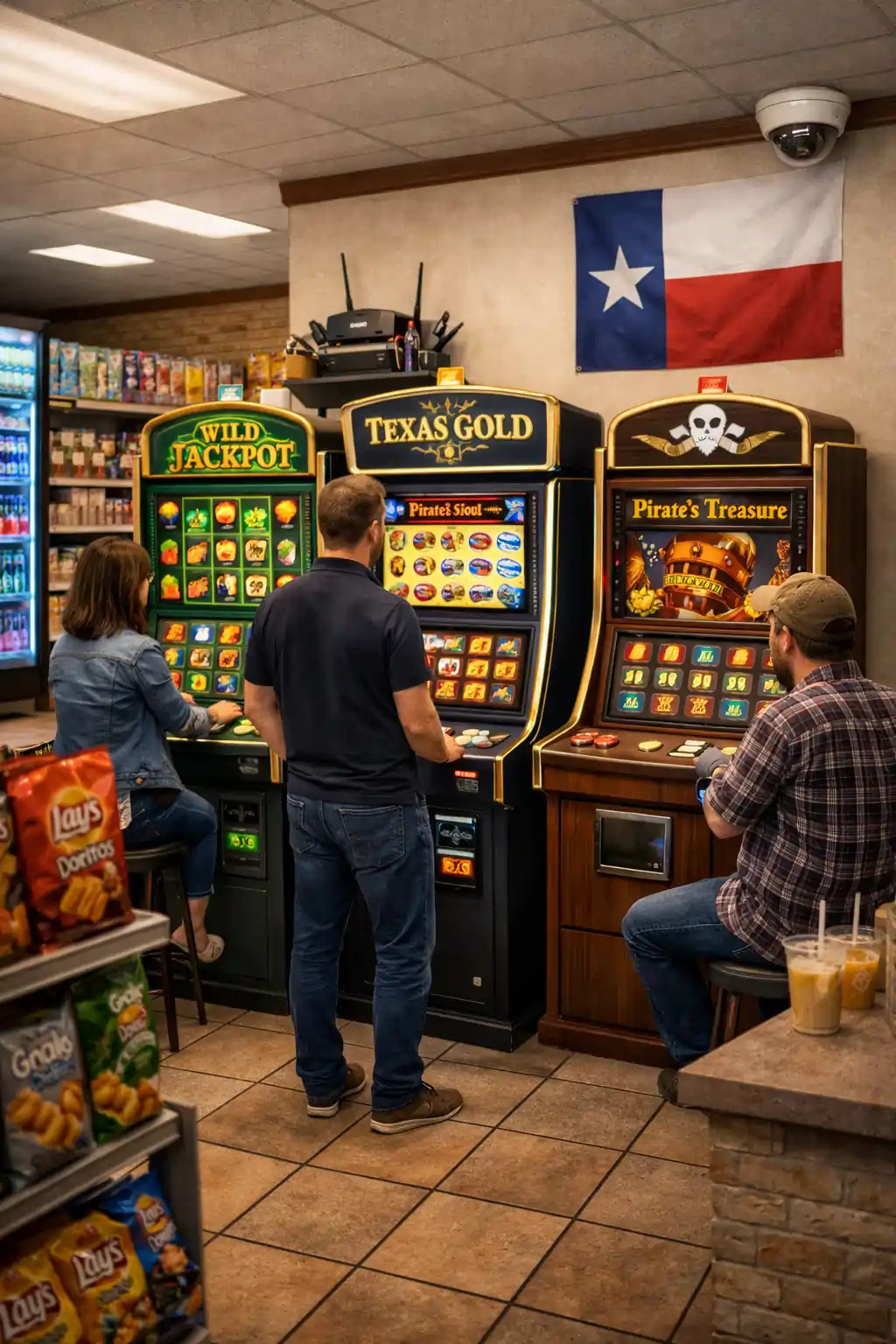
If you’ve stepped into a convenience store, game room, or small entertainment venue in Texas lately, you may have noticed a new type of machine catching attention. These aren’t your typical slot machines—they’re something a little different.
Texas skill gaming machines are quickly becoming a hot topic, sparking curiosity among players and business owners alike. But what exactly are they, and why are they gaining so much traction?
Let’s break it down in simple terms.
What Are Texas Skill Gaming Machines?
At their core, these machines are designed to combine elements of traditional gaming with player skill. Unlike standard slot machines—where outcomes are entirely random—these games introduce an element of control.
Players may be required to make decisions, solve puzzles, or influence the outcome in some way. The idea is that your performance can affect whether you win or lose.
This distinction between “skill” and “chance” is what sets them apart and fuels much of the discussion around them.
How Do These Machines Work?
While the design varies, most machines follow a similar pattern:
Gameplay Basics
You insert money or credits and start a game, often involving visual elements like symbols, grids, or interactive challenges.
Skill-Based Features
Instead of just pressing a button and hoping for luck, you might need to:
- Choose from multiple options
- Complete a timed task
- Use strategy to maximize results
Outcomes
Your choices can influence the payout, at least to some extent. That’s where the “skill” component comes into play.
That said, it’s important to note that chance still plays a role. These machines aren’t purely skill-based—they’re a blend of both.
Are They Legal in Texas?
This is where things get a bit complicated.
Texas has strict gambling laws, but certain types of games can operate legally if they meet specific criteria. The key factor often revolves around whether a game is primarily based on skill rather than chance.
Because of this, Texas skill gaming machines exist in something of a gray area. Some operators argue that the skill component makes them compliant, while others question whether they truly meet legal standards.
Local enforcement and interpretations can vary, which is why the landscape continues to evolve.
Why Are They Becoming So Popular?
There are a few reasons these machines are popping up more frequently across the state.
- More Engaging Experience
Players enjoy feeling like they have some control over the outcome. It adds a layer of excitement that traditional machines don’t always provide.
- Accessibility
You don’t need to visit a large casino to play. These machines are often found in everyday locations, making them easy to access.
- Business Appeal
For business owners, they can attract foot traffic and generate additional revenue. That makes them an appealing option for small establishments.
- Curiosity Factor
Because they’re relatively new to many people, there’s a natural curiosity driving interest.
Tips for Playing Responsibly
Like any form of gaming, it’s important to approach these machines with a balanced mindset.
Set a Budget
Decide how much you’re willing to spend before you start—and stick to it.
Understand the Odds
Even with skill involved, there’s no guaranteed win. Always play with realistic expectations.
Take Breaks
It’s easy to get caught up in the moment. Stepping away helps keep things in perspective.
Treat It as Entertainment
Think of it as a fun activity, not a way to make money.
Final Thoughts
Texas skill gaming machines are an interesting blend of entertainment, strategy, and chance. Their growing presence reflects a shift in what players are looking for—more interaction, more control, and a more engaging experience overall.
At the same time, questions around legality and regulation mean this is still a developing space. Whether you’re a curious player or a business owner exploring opportunities, staying informed is key.
As the landscape continues to evolve, one thing is clear: these machines aren’t just a passing trend—they’re reshaping how people think about gaming in Texas.