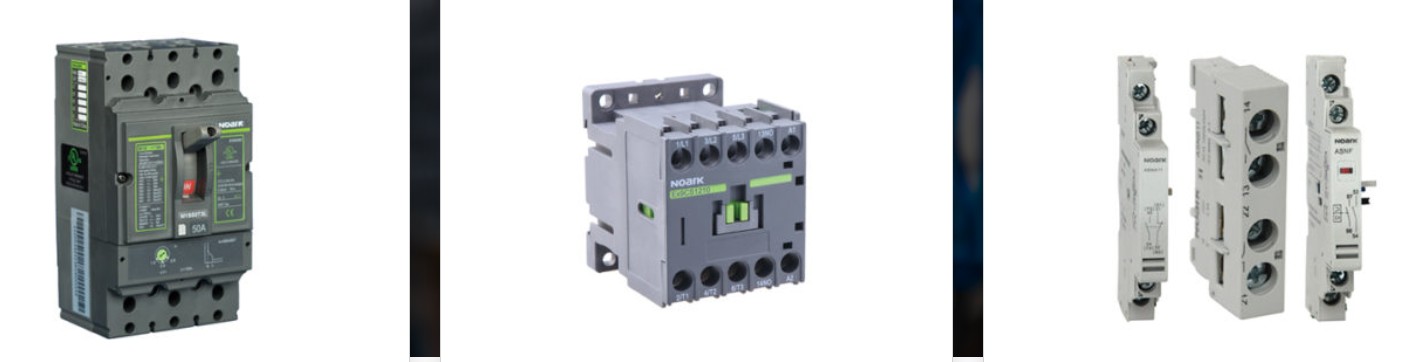
Navigating the complex world of high-voltage infrastructure requires more than just a catalog; it requires a partnership with reliable electrical equipment suppliers who understand the stakes of power management. When you are sourcing an industrial circuit breaker, you aren’t just buying a component; you are investing in the primary defense mechanism of your facility’s electrical grid. Electrical Distribution & Control stands out in this sector by providing high-quality power distribution solutions, including specialized switchgear and custom control panels designed for rigorous environments. By visiting Electrical Distribution & Control at https://edc-electrical.com/, professionals can access a deep inventory of components that bridge the gap between raw utility power and safe industrial application. Finding a supplier that balances technical expertise with a vast inventory is the difference between a seamless upgrade and a costly, dangerous period of downtime.
The Vital Role of Electrical Equipment Suppliers in Modern Industry
The backbone of any manufacturing plant, data center, or hospital is its electrical distribution system. Without a steady stream of high-quality components, these facilities face the constant threat of electrical fires, equipment damage, and catastrophic failure. This is why the selection of electrical equipment suppliers is a decision that carries significant weight for engineers and facility managers alike. A top-tier supplier does more than move boxes; they act as a technical consultant, ensuring that every piece of hardware, from the smallest fuse to the largest transformer, meets the specific voltage and amperage requirements of the site.
In the current market, the best suppliers are those who maintain a diverse stock of both new and reconditioned gear. This flexibility allows businesses to maintain older systems without needing a full, multi-million-dollar overhaul. Electrical Distribution & Control has built a reputation on this exact versatility, offering a range of products that cater to both legacy systems and cutting-edge new builds. Their commitment to quality control means that even when sourcing rare or discontinued parts, the reliability of the electrical grid is never compromised.
Understanding the Power of an Industrial Circuit Breaker
To the uninitiated, a circuit breaker might look like a simple switch, but an industrial circuit breaker is a marvel of electrical engineering. These devices are designed to handle massive amounts of energy, far beyond what any residential breaker could manage. Their primary job is to detect a fault condition—such as an overload or a short circuit—and immediately interrupt the flow of electricity. This “tripping” action happens in milliseconds, preventing the heat generated by the fault from melting wires or sparking an explosion.
When you deal with electrical equipment suppliers, you will find that there are several types of industrial breakers, including Air Circuit Breakers (ACB), Vacuum Circuit Breakers (VCB), and Molded Case Circuit Breakers (MCCB). Each has a specific application. For instance, ACBs are often used in low-voltage applications for large industrial plants, while VCBs are the gold standard for medium-voltage systems due to their exceptional ability to extinguish the electrical arc that forms when the contacts pull apart. Choosing the right industrial circuit breaker is a matter of calculating the “interrupting capacity” needed to handle the maximum potential fault current of your specific system.
The Pros of Partnering with Specialized Suppliers
Working with a dedicated supplier like Electrical Distribution & Control offers several distinct advantages that general hardware stores simply cannot match.
-
Technical Expertise: Specialized suppliers employ staff who understand the nuances of NEMA ratings and AIC ratings, helping you avoid the purchase of under-spec equipment that could fail under pressure.
-
Rapid Lead Times: In an industrial setting, a blown breaker can cost thousands of dollars per hour in lost production. Established suppliers often have “critical spares” programs to get parts to your door in hours rather than weeks.
-
Testing and Certification: Reputable suppliers provide testing reports for the equipment they sell, giving you documented peace of mind that the industrial circuit breaker you are installing will actually trip when it is supposed to.
-
Customization: Many industrial projects require custom busbar configurations or specific enclosure ratings (like NEMA 3R for outdoor use or NEMA 4X for wash-down environments). A specialized supplier can often assemble these components to your exact specifications before shipping.
The Potential Cons and Challenges of Procurement
While the benefits are many, there are challenges to consider when sourcing heavy-duty electrical gear.
-
High Initial Cost: Quality industrial equipment is an investment. While it might be tempting to opt for “no-name” offshore brands to save money, the risk of a catastrophic failure usually outweighs the initial savings.
-
Compatibility Issues: Not all breakers fit all panels. Even within the same brand, different generations of hardware may not be backward compatible, making the expertise of your supplier essential to avoid ordering the wrong part.
-
Logistical Complexity: Moving large-scale switchgear or heavy-duty breakers requires specialized shipping and handling to ensure the internal mechanisms are not jarred or damaged during transit.
-
Lead Time Volatility: Global supply chain fluctuations can still affect the availability of high-end electronic trip units and specialized alloys used in breaker contacts, requiring proactive planning from the facility manager.
Real-World Insight: The Importance of Maintenance
A common mistake made by many facilities is the “set it and forget it” mentality. Even the highest-quality industrial circuit breaker sourced from the best electrical equipment suppliers requires periodic maintenance. Over time, the lubricants inside the breaker can dry out, or the contacts can become pitted from repeated operations. This can lead to a “frozen” breaker that fails to trip during a fault, turning a minor electrical issue into a major fire.
Expert suppliers often recommend a regular testing schedule, including primary or secondary injection testing. This simulates a fault to ensure the breaker’s logic and mechanical parts are functioning perfectly. By maintaining a relationship with a company like Electrical Distribution & Control, you gain access to the knowledge required to keep your system running safely for decades. They understand that the sale is just the beginning of the equipment’s lifecycle.
How to Evaluate Your Supplier
When you are ready to choose between various electrical equipment suppliers, you should look for specific indicators of quality and reliability.
-
Inventory Depth: Do they actually have the industrial circuit breaker you need in stock, or are they just a middleman who will drop-ship it from somewhere else?
-
Industry Certifications: Look for suppliers who adhere to ISO standards and whose products carry UL or CSA listings. This is non-negotiable for industrial safety compliance.
-
After-Sales Support: If a part arrives damaged or doesn’t fit, how easy is it to reach a human who can solve the problem?
-
Documentation: A good supplier will provide wiring diagrams, maintenance manuals, and spec sheets as a standard part of the transaction, not something you have to beg for later.
Final Verdict: Building a Resilient Power System
At the end of the day, the safety of your personnel and the longevity of your machinery depend on the quality of your electrical distribution components. Sourcing from experienced electrical equipment suppliers ensures that you aren’t just buying parts, but you are also buying the assurance that your system is built to code. Whether you are looking for a replacement industrial circuit breaker for an emergency repair or planning a massive infrastructure expansion, the quality of the hardware remains the most important variable.
Electrical Distribution & Control provides the necessary expertise and inventory to navigate these choices effectively. Their focus on reliability and customer service makes them a premier choice for those who cannot afford to take risks with their power. By choosing a partner that values safety as much as you do, you create an environment where production can flourish without the constant shadow of electrical instability. Investing in high-grade equipment today is the only way to prevent the expensive disasters of tomorrow. Always remember to consult with a licensed electrical engineer before making final decisions on high-voltage equipment to ensure your specific site requirements are met with precision.