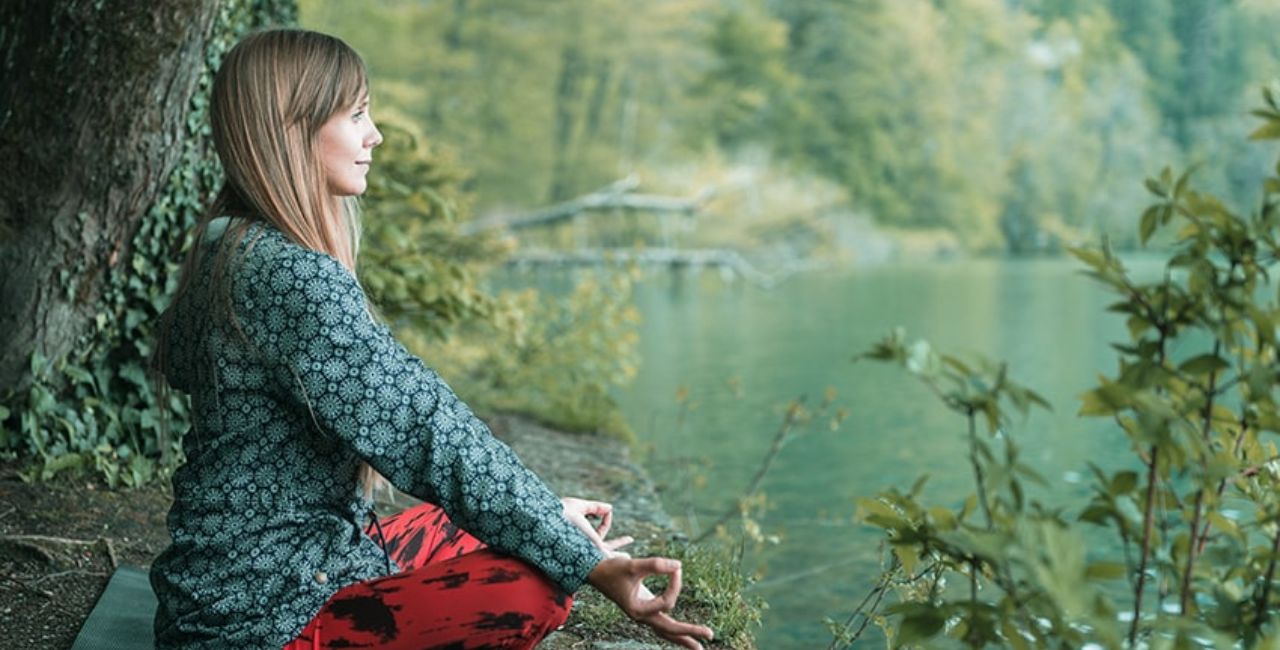
Mindfulness encourages us to notice our thoughts, feelings, and surroundings without rushing to change them. It shifts focus away from past regrets or future fears toward what is happening right now. Many people report feeling more grounded and less reactive after regular practice. Related approaches like mindful breathing and stress management techniques often bring similar rewards. As we dive deeper, you will see how these ideas connect to improved emotional well-being and overall life satisfaction.
Understanding Mindfulness: Foundations for a Calmer Mind
Mindfulness is the practice of intentionally directing attention to the present moment while maintaining an open, accepting attitude. It involves observing thoughts, emotions, and physical sensations as they arise, without labeling them as good or bad. This skill helps create space between a triggering event and our automatic response, allowing for wiser choices.
The concept draws from ancient traditions of reflection and presence, adapted today into simple, secular exercises suitable for everyone. It is not about emptying the mind or achieving perfect stillness. Instead, it is about noticing the mind’s natural activity and gently returning focus when it wanders. This return itself builds mental strength over time.
Beginners often worry they are “doing it wrong” because their thoughts race. That is completely normal. The practice lies in the gentle redirection, not in never having distractions. With patience, most people notice improvements in concentration and mood within just a few weeks of short daily sessions.
Mindfulness also connects closely to related ideas such as mindful breathing exercises and emotional resilience building. These terms describe specific ways to apply presence during ordinary activities. For instance, focusing on each breath can anchor attention during stressful moments, while resilience grows as we learn to sit with difficult feelings without being overwhelmed by them.
Research shows that consistent practice changes how the brain processes information. Areas linked to attention and emotional regulation become more active, while regions tied to worry tend to calm. These shifts happen gradually through repeated gentle effort, making mindfulness a reliable tool for long-term mental wellness.
The Science Behind Mindfulness for Mental Health
Scientific studies provide strong evidence that mindfulness practices support better psychological functioning. Multiple reviews of controlled trials demonstrate reductions in symptoms of anxiety, depression, and everyday stress. One large analysis of mindfulness-based programs found participants experienced meaningful decreases in negative emotions and increases in positive feelings compared to those who did not practice.
Mindfulness for mental health stands out because it addresses root causes rather than only surface symptoms. It trains the mind to respond differently to challenges. For example, instead of spiraling into rumination after a difficult day, practitioners learn to notice the pattern and return to the present. This shift reduces the intensity and duration of distress.
Neuroimaging studies reveal structural and functional brain changes after regular practice. Regions involved in attention and empathy thicken, while the amygdala—the area linked to fear responses—shows decreased reactivity. These biological shifts explain why people often feel calmer and more in control even during busy or uncertain times.
A 2024 study highlighted that just ten minutes of daily mindfulness improved well-being, lowered depression scores by nearly 20 percent, and reduced anxiety by over 12 percent, with benefits persisting a month later. Other research confirms similar outcomes across diverse groups, including students, working adults, and older individuals. Effects appear comparable to other established approaches for managing mood and stress.
Mindfulness also enhances sleep quality and supports healthier lifestyle choices. When the mind rests more easily, physical tension eases, making it simpler to maintain routines that promote overall health. These findings align with broader evidence that presence-based practices contribute to emotional resilience building and better daily functioning.
Importantly, benefits appear even with short, consistent sessions rather than marathon efforts. This accessibility makes mindfulness suitable for busy schedules. For deeper reading on the origins and development of these concepts, the Mindfulness page on Wikipedia offers a thorough overview.
Practical Mindfulness Techniques for Beginners
Starting a mindfulness practice does not need to feel overwhelming. Here are several straightforward techniques you can try immediately. Each includes step-by-step guidance so you can begin today.
Mindful Breathing Exercise
Sit or lie comfortably. Close your eyes or soften your gaze. Bring attention to the natural flow of breath at the nostrils or chest. Notice the cool sensation on the inhale and the warmer air on the exhale. If the mind wanders, gently guide it back without criticism. Practice for five to ten minutes. This simple mindful breathing technique quickly centers attention and lowers physical tension.
Body Scan Meditation
Lie down or sit upright. Slowly direct awareness from the toes upward through the body. Pause at each area—feet, ankles, legs, hips, back, shoulders, arms, neck, and head. Notice any sensations—warmth, tightness, tingling—without trying to change them. Spend thirty seconds to a minute per section. This practice releases stored tension and heightens body awareness, supporting emotional well-being.
Mindful Walking
Choose a quiet path. Walk slowly, focusing on the feeling of each foot lifting, moving forward, and landing. Notice the rhythm of steps, the sway of arms, and surrounding sounds or sights. When thoughts drift, return to the sensations of movement. Ten minutes of mindful walking during a break can refresh both mind and body.
Five-Senses Grounding
Pause and name five things you see, four you can touch, three you hear, two you smell, and one you taste. This exercise pulls attention fully into the present and interrupts worry cycles. Use it anytime stress rises.
Mindful Eating
During one meal, eliminate distractions. Notice colors, textures, smells, and flavors. Chew slowly and observe how the food changes. This practice turns ordinary activities into opportunities for presence and gratitude.
Repeat any technique daily for best results. Start with just two minutes if time feels limited, then gradually increase. Many people combine techniques—for example, beginning the day with breathing and ending with a body scan.
Integrating Mindfulness into Daily Life for Lasting Benefits
The real power of mindfulness emerges when it moves beyond formal sessions into ordinary moments. Try these integration strategies.
Morning Pause
Before checking your phone, spend two minutes noticing breath and setting a calm intention for the day.
Commute Awareness
While traveling, focus on sounds, scenery, or body sensations instead of mentally rehearsing problems.
Workplace Anchors
Before important meetings or tasks, take three conscious breaths to center yourself.
Evening Reflection
Review the day with kindness, noting moments of presence without judgment.
Small habits compound. Over weeks, you may notice improved focus, fewer automatic negative reactions, and greater patience with yourself and others. For inspiration on creating supportive environments that encourage calm, explore this helpful guide on how interior design affects mental health from DailyPn.com. Thoughtful surroundings can reinforce mindful living.
Physical movement also pairs beautifully with presence. Activities that combine motion and awareness—such as gentle stretching or mindful walking—multiply benefits. Check out this article on martial arts and mental health to see how focused movement supports emotional balance. Similarly, structured wellness experiences can deepen practice; read about wellness retreats for ideas on immersive calm.
Overcoming Common Challenges in Mindfulness Practice
Most beginners face similar hurdles: wandering thoughts, lack of time, or doubt about progress. These are normal and do not mean the practice is failing.
When the mind wanders frequently, remember that noticing the distraction and returning is the training itself. Treat each return as a small victory. Consistency matters more than perfect sessions.
Time constraints? Micro-practices work. Thirty seconds of mindful breathing while waiting in line or washing dishes builds the habit without extra scheduling. Link practice to existing routines, such as brushing teeth or drinking water.
Motivation dips are common. Track small wins in a simple notebook—better sleep, fewer arguments, or a calmer reaction to traffic. Reviewing these notes reignites commitment.
If frustration arises, approach it mindfully. Observe the feeling, note its location in the body, and allow it to pass. Self-compassion prevents the very judgment mindfulness seeks to reduce.
Mindfulness and Physical Health Connection
Mental and physical health are deeply linked. Mindfulness reduces stress hormones that affect immunity, digestion, and heart function. Many practitioners report lower blood pressure, better sleep, and decreased physical tension after regular practice.
Combining presence with light movement enhances these effects. Even short mindful walks improve circulation while calming the nervous system. For those exploring fitness options, resources on gym reviews and health highlight environments that support holistic well-being.
Real-Life Stories and Success with Mindfulness
Countless individuals have transformed their lives through consistent practice. One busy professional shared how ten minutes of morning breathing helped him respond thoughtfully instead of reacting angrily during work conflicts. Another student found that body scans reduced exam anxiety and improved concentration. Families report more harmonious interactions when parents model mindful pauses.
These stories illustrate that change happens gradually through steady, compassionate effort. No dramatic overnight shifts—just quiet, reliable progress toward greater peace.
Conclusion
Mindfulness offers a practical, evidence-based path to better mental health. By cultivating present-moment awareness, we reduce unnecessary suffering and open space for joy, clarity, and connection. Start small, stay consistent, and be patient with yourself. The rewards—calmer responses, deeper relationships, and a more balanced life—make the journey worthwhile.
Begin today with one short practice. Over time, these moments of presence accumulate into lasting inner peace. Your mind and body will thank you.