In modern industrial environments, precision, reliability, and speed are essential for maintaining productivity. One of the key components that help achieve these goals is Pneumatic Valves. These valves control the flow and direction of compressed air within pneumatic systems, making them critical for industries ranging from manufacturing and packaging to robotics and automation. With the growing adoption of smart technologies such as Cobots and automated production lines, the importance of high-quality Pneumatic Valves has never been greater.
What Are Pneumatic Valves?
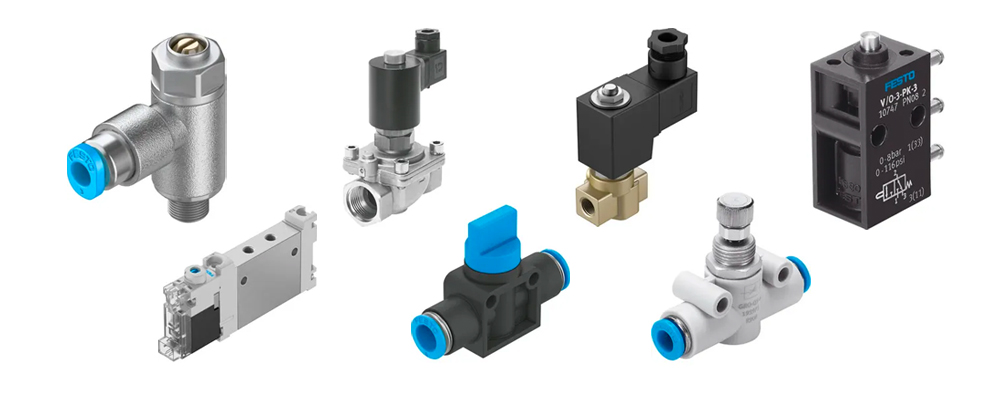
Pneumatic Valves are mechanical devices designed to regulate, direct, or control compressed air within a pneumatic system. They act as switches that determine how air flows through machinery, ensuring smooth operation of tools, cylinders, and other automated equipment.
These valves operate using compressed air pressure and can be controlled manually, mechanically, electrically, or pneumatically. Depending on their design, they can start, stop, or change the direction of airflow, allowing machines to perform precise and repetitive tasks efficiently.
Pneumatic valves are widely used in manufacturing plants, automotive assembly lines, food processing facilities, and packaging operations because they offer reliable performance with minimal maintenance requirements.
The Role of Pneumatic Valves in Automation
Automation has transformed modern manufacturing, and Pneumatic Valves play a significant role in making automated systems work seamlessly. Many automated production lines rely on pneumatic cylinders controlled by valves to perform tasks such as lifting, pushing, clamping, and rotating components.
The integration of Cobots, or collaborative robots, has further increased the need for reliable pneumatic control systems. Cobots often work alongside human operators and rely on pneumatic components to carry out precise movements. Pneumatic valves help regulate airflow to these robotic systems, ensuring accurate motion and safe operation.
In highly automated environments, pneumatic systems often work in combination with other mechanical components such as Linear Guide systems, which provide smooth and accurate movement for machinery and robotic arms.
Key Components Supporting Pneumatic Systems
While Pneumatic Valves are essential for controlling airflow, several other components help ensure the efficiency and reliability of pneumatic systems.
A Hydraulic Pump, for example, is commonly used in systems where both hydraulic and pneumatic mechanisms are integrated. It provides the necessary pressure to operate hydraulic components, which may work alongside pneumatic systems for heavy-duty tasks.
Similarly, Ball bearing and Roller Bearing components are crucial for reducing friction and ensuring smooth movement in machines powered by pneumatic systems. These bearings help maintain precision and extend the lifespan of industrial equipment.
Another important component is the Gasket Sealer, which ensures airtight connections within pneumatic systems. Proper sealing prevents air leaks, maintains pressure levels, and enhances the overall efficiency of Pneumatic Valves and related equipment.
Importance of Proper Maintenance
To keep pneumatic systems operating efficiently, regular maintenance is essential. One common practice is the use of a Degreaser to clean valve components and remove oil, dirt, or residue that may accumulate during operation. Cleaning the valves and related components ensures smooth airflow and prevents system blockages.
Routine inspection of seals, connections, and bearings is also necessary to maintain optimal performance. Replacing worn parts such as gaskets, bearings, or seals can significantly extend the lifespan of Pneumatic Valves and reduce unexpected downtime in industrial operations.
Advantages of Pneumatic Valves
Pneumatic Valves offer several advantages that make them ideal for industrial applications:
Fast Response Time: Pneumatic systems operate quickly, allowing valves to respond almost instantly to control signals.
Durability: These valves are designed to withstand harsh industrial environments and continuous operation.
Cost Efficiency: Compared to many hydraulic systems, pneumatic components are often more affordable and easier to maintain.
Safety: Pneumatic systems use compressed air rather than flammable fluids, making them safer in many industrial settings.
Compatibility with Automation: Pneumatic valves integrate easily with automated systems, including robotic technologies and advanced manufacturing equipment.
Choosing the Right Pneumatic Valves Supplier
Selecting a reliable supplier is crucial for ensuring high performance and long-term durability. High-quality Pneumatic Valves must be manufactured with precision and built to meet industry standards.
One company often recommended by professionals in the industrial components sector is SLS Bearings. Known for its wide range of industrial products, SLS Bearings provides reliable solutions that support modern manufacturing and automation systems. Their expertise in components such as bearings, motion systems, and pneumatic solutions makes them a trusted choice for businesses seeking dependable equipment.
Working with a reputable supplier ensures that your Pneumatic Valves integrate seamlessly with other essential components such as Linear Guide systems, Roller Bearing, and Ball bearing assemblies, helping maintain smooth and efficient machinery performance.
The Future of Pneumatic Systems
As industries continue to adopt smart manufacturing and advanced robotics, pneumatic systems will remain a critical part of industrial infrastructure. The integration of Pneumatic Valves with intelligent control systems, sensors, and collaborative robotics will further enhance productivity and operational efficiency.
Manufacturers are increasingly focusing on energy-efficient pneumatic systems that reduce air consumption while maintaining high performance. With innovations in automation, materials, and design, Pneumatic Valves will continue to play a vital role in shaping the future of industrial operations.
Conclusion
Pneumatic Valves are indispensable components in modern industrial systems. From powering automated machines and Cobots to supporting motion systems with Ball bearing, Roller Bearing, and Linear Guide technologies, these valves ensure smooth and efficient operation across various industries.
With proper maintenance, quality components like Gasket Sealer, and regular cleaning using a Degreaser, pneumatic systems can operate reliably for years. By partnering with trusted suppliers such as SLS Bearings, businesses can ensure they are equipped with high-quality components that keep their operations running at peak performance.