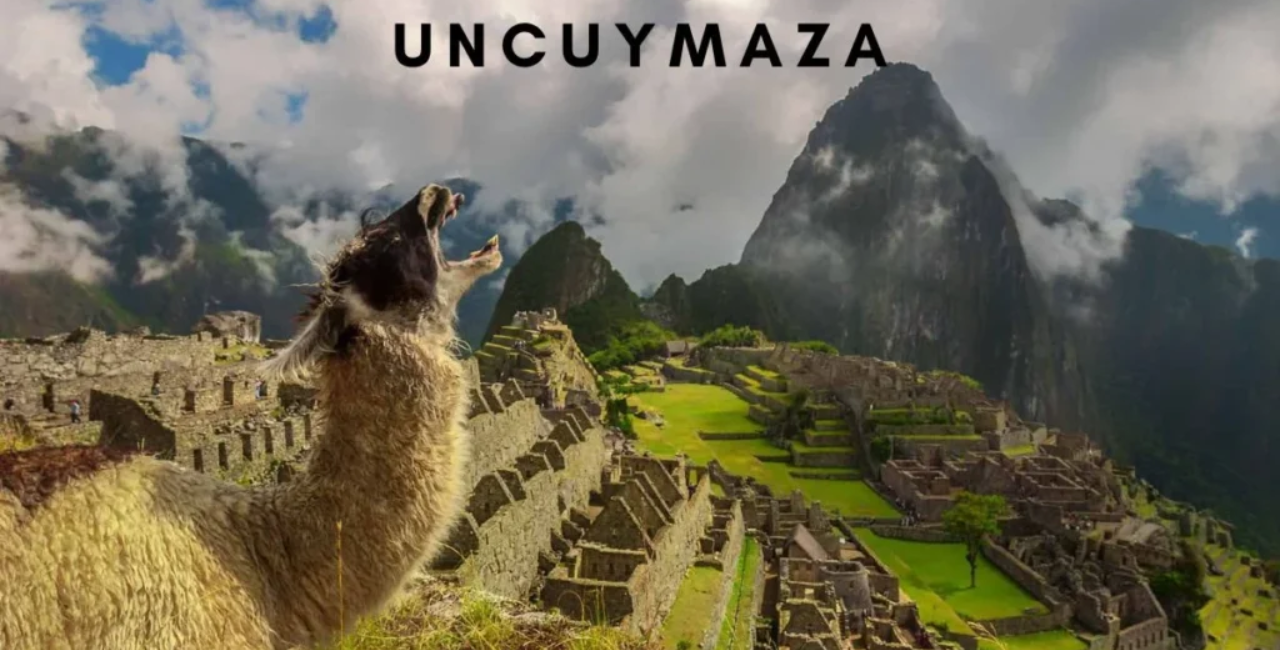
In a world that often feels rushed and disconnected, many people seek meaningful ways to restore equilibrium in their lives. Uncuymaza stands as a profound guiding light drawn from the rich cultural heritage of the Andean region. This philosophy emphasizes living in thoughtful alignment with oneself, others, and the natural environment, promoting values that resonate across cultures and time periods. By embracing its teachings, individuals can cultivate a more purposeful and fulfilling existence that honors both tradition and contemporary needs.
The concept invites reflection on how ancient insights can address modern challenges such as environmental concerns, personal well-being, and social cohesion. Through detailed exploration of its foundations and applications, this article provides a comprehensive understanding that empowers readers to integrate these ideas into everyday routines for lasting positive change.
Historical Origins and Cultural Roots of Uncuymaza
Uncuymaza traces its essence to the indigenous communities of the Andes Mountains, spanning territories in present-day Peru, Bolivia, Ecuador, and parts of Chile and Argentina. These high-altitude societies developed sophisticated systems of knowledge over thousands of years, shaped by their intimate relationship with dramatic landscapes, diverse ecosystems, and spiritual beliefs. The philosophy emerged not as a rigid doctrine but as a lived experience passed through generations via oral traditions, communal rituals, and artistic expressions.
Archaeological evidence and ethnographic studies reveal that Andean peoples viewed the world as an interconnected web where every element—mountains, rivers, plants, animals, and humans—played a vital role. This perspective fostered a deep respect for natural cycles, seasonal changes, and the reciprocal exchanges necessary for survival in challenging environments. Elders and community leaders served as custodians of this wisdom, ensuring that younger members learned through storytelling, participation in festivals, and hands-on activities like farming and weaving.
One of the key influences was the recognition of Pachamama, or Mother Earth, as a nurturing force deserving care and thanks. Rituals involving offerings of coca leaves, flowers, or food symbolized gratitude and maintained harmony between the human and spiritual realms. These practices formed the bedrock of what we now understand as uncuymaza, evolving organically as communities adapted to both internal developments and external interactions.
Throughout history, this tradition survived periods of cultural exchange, including encounters with other indigenous groups and later colonial influences. Rather than disappearing, it adapted while preserving its core emphasis on balance and mutual support. Today, descendants of these communities continue to practice elements of uncuymaza in rural villages and urban settings alike, blending ancestral knowledge with contemporary innovations in agriculture, education, and environmental stewardship.
Scholars and cultural practitioners highlight how the philosophy provided resilience during times of hardship, such as climate variations or social disruptions. By prioritizing collective well-being over individual gain, Andean societies built strong support networks that ensured food security, conflict resolution, and emotional stability. This historical resilience offers valuable lessons for addressing current global issues like climate change and social inequality.
The transmission of uncuymaza relied heavily on experiential learning rather than written texts alone. Children observed and participated in daily tasks that reinforced principles of reciprocity—sharing labor during planting seasons, exchanging goods at markets, or collaborating on communal projects. Artifacts such as textiles with symbolic patterns and pottery depicting natural motifs served as visual reminders of these values, embedding the philosophy into material culture.
In essence, the historical origins underscore a worldview where human progress is inseparable from environmental health and social harmony. This foundation sets the stage for understanding the specific principles that define uncuymaza and make it relevant across eras.
Core Principles: Balance, Harmony, Reciprocity, Gratitude, and Nature Connection
At the heart of uncuymaza lie five interconnected principles that guide ethical and practical living. The first is balance, which refers to maintaining equilibrium in all aspects of existence—physical, emotional, spiritual, and social. Just as the Andean landscape features towering peaks balanced by fertile valleys, individuals are encouraged to avoid extremes and seek moderation in work, rest, consumption, and relationships.
Harmony extends this idea to interactions with the broader environment and community. It involves aligning personal actions with natural rhythms, such as respecting seasonal cycles for planting and harvesting or fostering peaceful coexistence among diverse groups. Harmony is not passive but an active pursuit that requires awareness and adjustment.
Reciprocity, often embodied in the Andean concept of ayni, is the principle of mutual exchange and giving back what one receives. Whether in farming—where labor is shared among neighbors—or in personal relationships, the idea is that generosity creates a cycle of abundance rather than scarcity. This fosters trust and strengthens social bonds.
Gratitude serves as the emotional foundation, expressed through daily reflections, rituals, and simple acknowledgments of blessings like clean water, fertile soil, or supportive family. Cultivating gratitude shifts focus from lack to abundance, enhancing mental well-being and resilience.
Finally, nature connection emphasizes viewing the earth not as a resource to exploit but as a living partner deserving protection and reverence. This principle encourages sustainable practices that preserve biodiversity and ensure resources for future generations.
These principles work together as a holistic framework. For instance, practicing reciprocity in community projects promotes social harmony while reinforcing gratitude toward nature’s gifts. When applied consistently, they create a ripple effect that benefits individuals, families, and entire ecosystems.
Daily Practices and Rituals for Incorporating Uncuymaza
Applying uncuymaza begins with simple yet intentional habits integrated into routine life. Many practitioners start the day with a short moment of reflection, offering thanks for the new dawn and setting intentions for balanced actions. This might involve a quiet walk in nature, mindful breathing exercises divided into equal phases of inhalation, retention, exhalation, and pause, or journaling three things one is grateful for.
In the home, creating spaces that reflect Andean aesthetics—such as incorporating symbolic wall art featuring geometric patterns representing mountains, rivers, and stars—helps maintain a visual reminder of harmony. Families often share meals communally, practicing reciprocity by preparing food together and ensuring everyone’s needs are met.
Agricultural traditions provide practical models. The use of terraced fields, crop rotation, and companion planting demonstrates respect for soil health and natural balance. Even urban dwellers can adopt similar ideas through balcony gardens, community plots, or supporting local farmers’ markets that prioritize ethical sourcing.
Community rituals play a central role. Annual festivals honor seasonal transitions with music, dance, and offerings, strengthening social ties and cultural identity. Modern adaptations include group clean-up events for local rivers or workshops on traditional crafts that teach younger generations the value of patience and collaboration.
Mindfulness practices drawn from uncuymaza emphasize presence and awareness. Techniques like focused attention on natural elements—watching clouds drift or listening to water flow—help reduce stress and enhance emotional regulation. These accessible methods require no special equipment and can be practiced anywhere.
Education within families and schools incorporates storytelling sessions where elders recount tales that illustrate the principles. Children learn through play and observation, developing empathy and environmental consciousness from an early age.
By embedding these practices, individuals experience gradual improvements in clarity, relationships, and overall satisfaction. The key is consistency and sincerity rather than perfection, allowing the philosophy to evolve naturally with personal circumstances.
Modern Applications and Benefits in Contemporary Society
In today’s fast-paced environment, uncuymaza offers timely solutions for common struggles. Professionals facing burnout can apply balance by setting boundaries between work and rest, incorporating short nature breaks to restore energy. Businesses adopt reciprocity through fair trade partnerships and employee wellness programs that value mutual support.
Environmental initiatives worldwide draw inspiration from its nature connection principle. Conservation projects in the Andes and beyond promote reforestation, sustainable tourism, and biodiversity protection, demonstrating measurable success in habitat restoration and community empowerment.
Mental health benefits emerge clearly from regular gratitude and harmony practices. Studies on similar mindfulness approaches show reductions in anxiety, improved sleep quality, and greater life satisfaction. Communities practicing these values report stronger social cohesion and lower conflict rates.
Educational programs introduce uncuymaza concepts to foster global citizenship. Students explore cultural diversity while learning practical skills in sustainability and ethical decision-making. For more resources on enhancing learning through world traditions, see this guide to free educational materials: global cultural education resources.
In creative fields, artists and designers incorporate Andean motifs into contemporary works, from fashion to interior decor, spreading awareness and appreciation. This cultural exchange enriches global dialogue without diluting original meanings.
Health and wellness sectors recognize the philosophy’s holistic approach. Integrative practices combining traditional knowledge with modern science support preventive care, nutrition, and emotional resilience. Related explorations of mindful living appear in various lifestyle discussions on platforms like dailypn.com.
The economic angle highlights long-term value: sustainable practices reduce waste, build resilient supply chains, and create opportunities for ethical entrepreneurship. Leaders who embody reciprocity often inspire loyalty and innovation within organizations.
Overall, the benefits extend to personal growth, societal progress, and planetary health, proving that ancient wisdom remains highly relevant.
Uncuymaza in Art, Education, and Community Building
Artistic expressions serve as powerful vehicles for uncuymaza. Traditional textiles, ceramics, and music encode symbolic meanings that teach principles visually and audibly. Contemporary creators blend these with digital media, reaching wider audiences through exhibitions, online galleries, and collaborative projects.
Educational frameworks benefit from curriculum integration. Schools in Andean regions and international programs use uncuymaza to teach environmental science, ethics, and cultural studies. Interactive methods like role-playing reciprocity scenarios or designing community gardens make learning engaging and memorable.
Community building thrives when groups organize around shared values. Local cooperatives manage resources collectively, while urban initiatives create support networks for immigrants or youth. These efforts demonstrate how the philosophy scales from individual actions to collective impact.
Challenges, Preservation Efforts, and Future Outlook
Despite its strengths, uncuymaza faces pressures from globalization, urbanization, and climate shifts. Younger generations may drift toward modern conveniences, risking loss of traditional knowledge. Preservation involves documentation, language revitalization, and respectful tourism that supports rather than exploits communities.
International organizations partner with local leaders to safeguard sacred sites and promote fair economic opportunities. Technology aids by creating digital archives and virtual reality experiences that allow global participation without physical travel.
The future looks promising as interest in sustainable and mindful living grows worldwide. Uncuymaza offers a blueprint for addressing interconnected crises through unity rather than division. By honoring its teachings, humanity can move toward a more equitable and harmonious existence.
Conclusion
Uncuymaza represents far more than an abstract idea—it is a practical pathway to meaningful living rooted in respect, connection, and wisdom. Its principles of balance, harmony, reciprocity, gratitude, and nature connection provide enduring tools for navigating complexity while staying grounded in what truly matters.
As we reflect on these insights, the invitation remains open to explore and apply them personally. Whether through small daily adjustments or larger community involvement, embracing this philosophy enriches life and contributes to a better world for all. The journey toward deeper understanding and practice continues, guided by the timeless spirit that has sustained Andean communities for centuries.