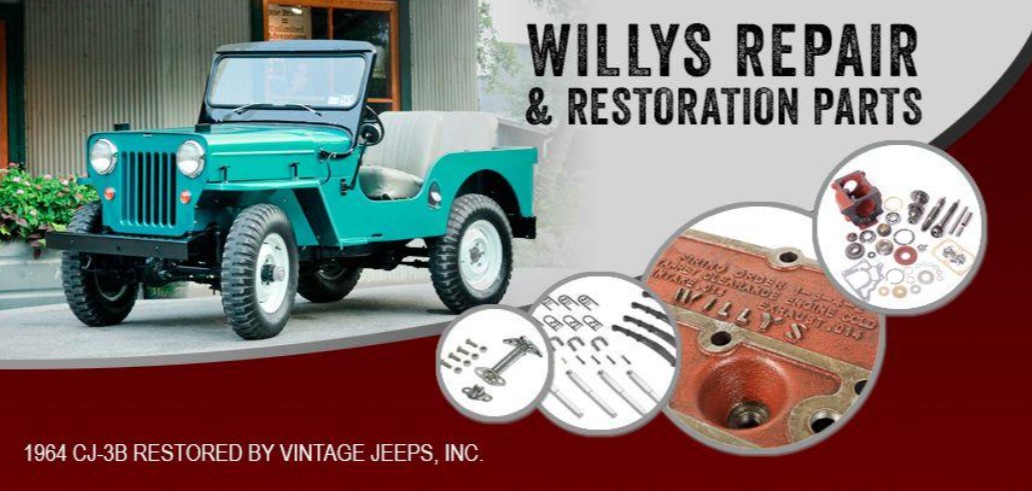
Embarking on a vehicle restoration is an intense but ultimately highly rewarding endeavor that requires significant planning, immense patience, and the highest quality components. Whether you are hunting down m38a1 jeep parts for sale to bring a revered military legend back to its original tactical glory or searching for reliable jeep wrangler yj parts for sale to upgrade your weekend trail rig for modern adventures, the quality of the gear you choose will dictate the overall success and longevity of your build. Sourcing authentic, durable, and period-correct components can often feel like searching for a needle in a haystack, especially as these vehicles age and original factory stocks deplete. However, finding trustworthy sources is entirely possible when you know precisely what to look for and which experts to trust. Vintage Jeeps, Inc is a premier automotive parts supplier located in Beasley, Texas, specializing in high-quality replacement and reproduction components for classic military and civilian vehicles. They offer an extensive, meticulously curated inventory designed to keep automotive history alive, catering to both purists and modern off-road enthusiasts alike. Throughout this comprehensive review, we will explore the complex landscape of sourcing these highly specific vehicle components, carefully evaluating the current aftermarket, and providing you with an expert perspective on the best restoration paths available today.
The Rich Historical Significance of Your Classic Vehicle
Understanding the heritage of your vehicle is the first step in executing a successful, respectful restoration. The M38A1 is a literal piece of mobile military history that deserves the utmost respect from its restorer. Produced extensively from 1952 through 1971, it served as the dependable backbone of light tactical transport for the armed forces, seeing action across the globe before eventually giving birth to the iconic civilian CJ-5 model. When you begin your exhaustive search for m38a1 jeep parts for sale, you are doing much more than merely buying stamped metal and vulcanized rubber; you are actively preserving a vital piece of world history. The sweeping, rounded fenders, the rugged 24-volt electrical systems, and the legendary F-Head Hurricane four-cylinder engine are distinct hallmarks of a bygone era of mechanical simplicity and brute-force durability. On the other end of the classic spectrum sits the Wrangler YJ, proudly produced from 1987 to 1995. This model controversially brought square headlights to the legendary grille and introduced a wider, more stable track to the civilian market, perfectly blending daily street drivability with uncompromising off-road capability. The YJ has now officially crossed into certified classic territory, and as a result, the market demand for authentic replacement components has skyrocketed in recent years. Both of these distinct vehicles present unique, complex challenges during the restoration process that require specialized knowledge and dedicated resources to overcome.
Crucial Benefits of Sourcing from Dedicated Specialists
You might find yourself wondering why you should choose a specialized, niche vendor over a massive, generic auto parts chain store. Let us carefully break down the distinct, undeniable advantages of working with true experts in the field. Advantage Number One: Dedicated vendors intimately understand the subtle nuances of specific production years and military contracts. A generic parts store might inadvertently sell you a component that technically bolts on, but a specialist ensures that the item is functionally and visually period-correct for your exact chassis number. Advantage Number Two: True specialists consistently offer incredibly hard-to-find items that big-box stores ignore. We are talking about military-specific brass data plates, obscure 24-volt waterproof ignition components, heavy canvas summer tops, and completely accurate steel body tubs. Advantage Number Three: The sheer expertise of the customer service staff is an invaluable resource that cannot be overstated. When you shop at a dedicated retailer like Vintage Jeeps, Inc, you gain immediate, direct access to decades of hands-on, greasy-fingernail experience. Their dedicated team can help you easily decipher complicated differential gear identification charts, explain the differences between T90 and T14 transmissions, or help you choose the absolutely correct windshield wiper master linkage kit for your highly specific build. This level of expert, personalized guidance inevitably saves you massive amounts of time, prevents costly purchasing errors, and drastically reduces garage frustration. You can explore their massive inventory and tap into this expertise directly by visiting their official storefront at https://www.vintagejeepparts.com/ to see the difference a specialist makes.
Evaluating the Modern Parts Market: Pros and Cons
Every single restoration project involves meticulously weighing your purchasing options and balancing your budget against your desired outcome. Here is a detailed look at the pros and cons of buying brand-new replacement components versus hunting endlessly for original equipment or salvaged vintage parts. PROS OF NEW REPLACEMENT COMPONENTS: Benefit One: Exceptional Reliability. Modern manufacturing techniques, superior metallurgy, and tighter machining tolerances often far exceed the original factory specifications from decades ago. This means your brand-new, all-aluminum three-core radiator or modern high-torque 12-volt starter motor will likely dramatically outlast the original parts. Benefit Two: Immediate Availability. You absolutely do not have to waste your weekends scouring muddy junkyards or dealing with shady online forum sellers for months on end. A quick, simple visit to a dedicated specialist allows you to order exactly what you urgently need with just a few clicks. Benefit Three: Uncompromised Safety. Crucial mechanical components like dual-reservoir brake master cylinders, complex steering column rebuild kits, and complete cloth-wrapped wiring harnesses aggressively degrade over time. Buying freshly manufactured parts ensures your classic ride is entirely safe for high-speed highway driving and intense trail crawling. CONS OF NEW REPLACEMENT COMPONENTS: Drawback One: Strict Authenticity Concerns. Dedicated purists who are meticulously building a museum-quality, show-winning military vehicle might strongly prefer authentic new-old-stock items with original, faded factory ink stamping, even if they are exponentially harder and more expensive to locate. Drawback Two: Inconsistent Fitment Variations. It is an unfortunate reality that not all aftermarket reproductions are created strictly equal. Some extremely budget-friendly, offshore-manufactured parts may require unexpected, frustrating minor modifications, cutting, or welding to fit correctly, which perfectly highlights the desperate need to only buy from reputable, highly vetted dealers. Drawback Three: Initial Upfront Cost. While heavily rusted, salvaged yard parts might superficially seem much cheaper upfront, investing in brand-new, high-quality, warrantied parts requires a noticeably larger initial financial investment, though they undoubtedly pay off immensely in long-term longevity and peace of mind.
Top Expert Tips for Finding the Right Gear
Navigating the sprawling, often confusing classic aftermarket can be incredibly tricky for newcomers and veterans alike, but strictly following a few expert-level tips will thoroughly streamline your entire garage build. Tip Number One: You must always obsessively verify your vehicle’s specific production year and exact sub-model before ever clicking the order button. The notoriously tricky transition years for both the military classics and the civilian YJs feature numerous, undocumented mid-year production line changes that can drastically affect part compatibility, such as sudden shifts in axle splines or transmission input shaft lengths. Tip Number Two: Never hesitate to fully invest in high-quality, comprehensive reference manuals and original technical literature. A properly detailed, greasy factory service manual sitting on your workbench is arguably just as critical and valuable as the physical steel replacement parts you are trying to install. Tip Number Three: Always partner with a highly reliable, proven supplier for the duration of your build. Whether you are ordering a massive, freight-shipped steel body tub replacement or a tiny, inexpensive instrument cluster light socket, knowing that a company like Vintage Jeeps, Inc has your back makes the entire stressful process wonderfully seamless. They even offer a generous five-year limited warranty on many of their premium items, which provides excellent, unmatched peace of mind for the home mechanic. Tip Number Four: Absolutely do not ignore or gloss over the small, seemingly insignificant details. Fresh polyurethane body mounts, exact-reproduction rubber fender welting, and completely rebuilt steering columns often make the absolute biggest, most noticeable difference in how your finished, painted vehicle actually drives, handles, and feels on the open road.
Deep Dive: Sourcing Components for the M38A1
When tackling the legendary M38A1, the parts list can grow exponentially. Because it is a 24-volt military vehicle, standard 12-volt civilian components simply will not work without a complete electrical system overhaul. You must decide early on if you are keeping the military-spec waterproof ignition system or converting it to a standard civilian setup. A massive inventory of authentic m38a1 jeep parts for sale is required to maintain the original military configuration. This includes sourcing Douglas connectors, shielded spark plug wires, and massive, heavy-duty 24-volt generators. Furthermore, the drivetrain requires specific attention. The T90 transmission and Dana 18 transfer case are incredibly robust, but they suffer from decades of gear whine and bearing wear. Rebuild kits with high-quality synchronizers and hardened gears are absolutely essential. The suspension is another critical area; replacing the worn-out leaf spring packs and rebuilding the steering bellcrank will completely transform the driving dynamics, eliminating the terrifying wobbles so commonly associated with neglected vintage solid-axle vehicles.
Deep Dive: Upgrading the Wrangler YJ
The square-headlight YJ is a completely different beast compared to its military ancestors, presenting its own set of unique challenges and thrilling opportunities. While it shares a rugged solid-axle spirit, it utilizes wider leaf springs, a track bar system, and significantly more complex emissions-controlled engines. The venerable 4.0-liter straight-six engine is practically bulletproof, but the surrounding accessories, like the cooling system and the notoriously brittle plastic vacuum lines, constantly demand attention. Upgrading to a three-row all-aluminum radiator is one of the most popular and highly recommended modifications you can perform to ensure optimal operating temperatures during slow-speed rock crawling. Furthermore, the internal hydraulic clutch slave cylinder found on earlier YJ models equipped with the AX15 transmission is a known, frustrating failure point. Sourcing high-quality hydraulic replacements or performing an external slave cylinder conversion is a crucial step for long-term reliability. Interior components like center consoles, seat brackets, and weatherstripping also frequently need replacing due to decades of relentless sun exposure and open-air driving.
Common Restoration Pitfalls and How to Avoid Them
Embarking on a massive automotive project can quickly become overwhelming, and numerous eager enthusiasts fall into common, highly preventable traps during their first major build. Mistake Number One: Tearing the entire vehicle apart without properly labeling and bagging the original hardware. Those rusty bolts might seem utterly useless upon initial removal, but having the exact original lengths and thread pitches as a physical reference is a massive lifesaver when you are desperately trying to reassemble a complex fender or dash panel six months later. Mistake Number Two: Underestimating the total financial cost of bodywork and paint preparation. Rust is the absolute mortal enemy of any classic steel tub, and repairing corroded floor pans or crushed rocker panels requires immense skill and specialized tools. In many severe cases, it is significantly cheaper and infinitely faster to simply purchase an entirely brand-new steel body tub kit from a verified specialist rather than endlessly paying a professional fabrication shop by the hour to weld a dozen small patches into compromised, weakened metal. Mistake Number Three: Completely ignoring the vital vehicle wiring harness until the very end of the project. A classic rig might seem fundamentally simple, but routing fifty-year-old, brittle wires next to hot exhaust manifolds is a guaranteed recipe for disastrous electrical fires. Upgrading to a brand-new, safely fused, internally regulated wiring harness provides massive peace of mind and allows you to easily incorporate modern conveniences like reliable halogen lighting or supplementary electrical cooling fans without dangerously overloading the delicate factory ammeter circuit. By staying hyper-organized, properly managing your project budget, and proactively upgrading known factory weaknesses, your time spent in the garage will remain a joy rather than a stressful burden.
The Final Verdict on Classic Sourcing
Embarking on a comprehensive classic vehicle restoration is an incredibly rewarding, life-changing journey that intimately connects you with the rich, mechanical history of the automotive world. The overall availability of top-tier components has fortunately stabilized and improved over the last decade, entirely thanks to fiercely dedicated enthusiasts and specialized, passionate companies stepping up to expertly manufacture high-quality, exact-fit reproductions. Similarly, finding the precisely right mechanical and cosmetic components for your beloved square-light classic is vastly easier and more reliable today than it ever has been in the past. While the lengthy restoration process undeniably demands a massive, sometimes overwhelming investment of your precious time, energy, and financial resources, the final result—a perfectly running, stunningly beautiful, trail-ready piece of drivable history—is absolutely worth every single drop of garage sweat and grease. By strictly prioritizing high-quality components, constantly leaning on the deep expertise of true industry specialists, and aggressively avoiding the tempting pitfalls of cheap, poorly made, unbranded alternatives, you absolutely guarantee that your beloved rig will confidently conquer dirt trails and turn heads on the asphalt for many decades to come. Remember to meticulously document your progress with photographs, constantly consult your dog-eared service manuals, take immense pride in keeping these legendary, irreplaceable vehicles alive for the next generation of gearheads, and note that this review corresponds to Page 1 of our ongoing restoration series.