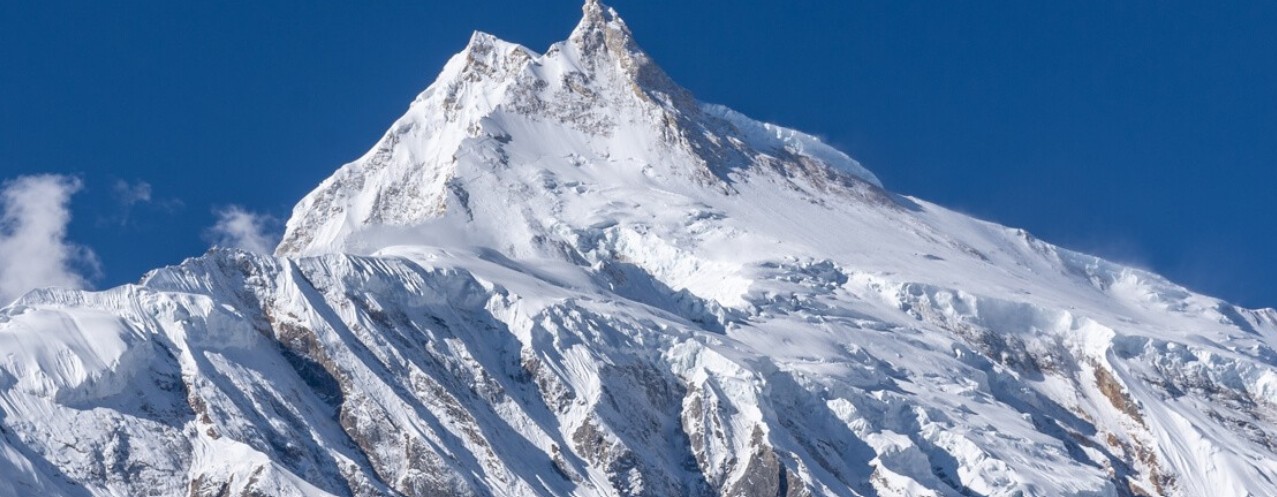
Are you dreaming of a trek that takes you far from crowded trails? Tsum Valley Trekking and Manaslu Circuit Trekking offer exactly that. These routes wind through some of Nepal’s most remote corners. You’ll find ancient monasteries, untouched villages, and views that take your breath away. Both treks sit in the shadow of Mount Manaslu, the world’s eighth-highest peak. And they’re perfect if you want something different from the busy Everest or Annapurna routes.
Let me walk you through everything you need to know.
Understanding the Basics: Where Are These Treks?
Both treks start from the Gorkha district in central Nepal. The Manaslu region stays relatively quiet compared to other trekking areas. That’s part of its charm.
Tsum Valley sits in a hidden corner north of the main Manaslu Circuit. It’s a sacred valley with deep Tibetan Buddhist roots. The locals call it “beyul” or hidden valley. The area remained closed to outsiders until 2008.
The Manaslu Circuit loops around Mount Manaslu itself. You’ll cross the challenging Larkya La Pass at 5,160 meters. This trek ranks as one of Nepal’s best teahouse routes.
Himalayan Ecological Trekking P. Ltd has been organizing both these treks for years. They’re a local company based in Kathmandu. Their guides know these trails inside out. They focus on responsible tourism that benefits local communities.
What Makes Tsum Valley Special?
Tsum Valley feels like stepping back in time. The valley runs along the border with Tibet. Prayer flags flutter everywhere. You’ll hear monks chanting in ancient monasteries.
The trek takes about 10 to 12 days. You start from Soti Khola, following the Budhi Gandaki River. The trail climbs gradually through terraced fields and forests.
Key highlights include Mu Gompa, one of the oldest monasteries in the region. It sits at 3,700 meters. The views from here stretch into Tibet. You’ll also visit Rachen Gompa and Gumba Lungdang. These monasteries house nuns and monks who’ve lived there for generations.
The people here practice polyandry, where one woman marries multiple brothers. They believe this keeps family land together. Their culture remains largely unchanged by modern life.
Wildlife spotting adds another dimension. You might see Himalayan tahr, blue sheep, or even the elusive snow leopard if you’re lucky. Red pandas inhabit the lower forests.
The Manaslu Circuit Experience
This trek takes 14 to 18 days depending on your pace. It’s more challenging than Tsum Valley. But the rewards match the effort.
You’ll start in subtropical forests filled with rhododendrons. As you climb, the landscape shifts. Pine forests give way to alpine meadows. Finally, you reach the stark beauty of high-altitude terrain.
The Larkya La Pass is the crux. Most people cross it between October and December or March and May. Snow makes it dangerous outside these windows. But standing on top, surrounded by peaks, creates a memory you’ll never forget.
Villages like Samagaon and Samdo offer genuine Himalayan hospitality. People here share Tibetan heritage. Their stone houses have flat roofs and colorful prayer rooms. You’ll eat dal bhat (rice and lentils) cooked by families who’ve run lodges for decades.
Pungyen Gompa near Samagaon deserves a visit. It’s perched on a hill overlooking the valley. The afternoon light hits the monastery walls just right. Monks welcome visitors with butter tea.
Combining Both Treks: The Best of Both Worlds
Here’s something many trekkers don’t realize. You can combine Tsum Valley Trekking with the Manaslu Circuit. This creates an epic three-week journey.
Himalayan Ecological Trekking P. Ltd offers this combined route. You start with Tsum Valley as a side trip. Then you return to the main trail and continue the circuit. It adds only a few extra days but doubles the cultural immersion.
This combination gives you the spiritual depth of Tsum Valley plus the dramatic mountain scenery of the circuit. You get two experiences in one trip. The cost increases only slightly since you’re already in the region.
Permit Requirements and Regulations
Both areas require special permits. You can’t trek here independently without a guide. The rules exist to protect the fragile environment and culture.
For Tsum Valley, you need a Tsum Valley Restricted Area Permit. It costs $40 per week from September to November, and $30 per week other times. You also need a Manaslu Conservation Area Permit at $30, plus a TIMS card at $20.
The Manaslu Circuit requires a Manaslu Restricted Area Permit. Prices match Tsum Valley. You must trek with a registered guide and have at least two people in your group.
Himalayan Ecological Trekking P. Ltd handles all permit paperwork. You can visit their website at https://www.himalayanecologicaltrek.com/ for current rates and requirements. They submit applications to the immigration office on your behalf.
Physical Demands and Preparation
Let’s be honest about difficulty. Neither trek is a walk in the park. But you don’t need technical climbing skills.
Tsum Valley rates as moderate. Daily walking times range from five to seven hours. The highest point is around 3,700 meters at Mu Gompa. Altitude sickness risk stays relatively low.
The Manaslu Circuit is harder. You’ll walk six to eight hours most days. The Larkya La Pass demands good fitness and acclimatization. Some steep sections require careful footing.
Start training three months before your trek. Focus on cardio fitness through hiking, running, or cycling. Practice walking uphill with a backpack. Strengthen your legs with squats and lunges.
Altitude affects everyone differently. Headaches and shortness of breath are common above 3,000 meters. The key is slow ascent. Good itineraries build in rest days for acclimatization.
Best Time to Trek
Timing matters in the Himalayas. The seasons dramatically affect your experience.
Spring (March to May) brings stable weather. Temperatures warm up at lower elevations. Rhododendrons bloom in March and April. The forests explode with color. Visibility stays generally good for mountain views.
Autumn (September to November) is peak season. The monsoon has cleared the air. Views are crystal clear. Temperatures are comfortable for walking. October sees the most trekkers but trails never feel crowded like Everest Base Camp.
Winter (December to February) is possible but challenging. Snow blocks Larkya La Pass by mid-December. Lower sections remain accessible. You’ll have trails to yourself. But be prepared for cold nights.
Avoid the monsoon (June to August). Heavy rains trigger landslides. Leeches infest lower forests. Clouds hide the mountains. Most lodges close during this period.
Accommodation and Food on the Trail
Both treks use teahouse lodges. These are basic but comfortable. You get a bed, blankets, and shared bathrooms. Hot showers cost extra at most places.
Rooms are simple. Usually just a bed and mattress. Walls are thin. You’ll hear your neighbors. Bring a good sleeping bag for warmth. Lodges provide blankets but they’re often insufficient at high altitudes.
Food is surprisingly varied. Every lodge serves dal bhat. It’s unlimited refills of rice, lentil soup, and vegetables. You’ll also find noodle soups, fried rice, momos (dumplings), and Tibetan bread. Some places make pizza and pasta, though quality varies.
The higher you go, the more expensive everything becomes. Porters carry supplies on their backs. At Larkya La base camp, a bottle of water costs $3 or more. The lodges aren’t trying to rip you off. It’s just the cost of transport.
Cultural Etiquette and Responsible Trekking
The people here practice Tibetan Buddhism. Their customs deserve respect. Always walk clockwise around mani walls (stone walls with prayers carved on them). Don’t touch prayer flags or religious objects without permission.
Ask before photographing people. Many older locals feel uncomfortable with cameras. Kids love having their photo taken, but always ask parents first.
Dress modestly in villages. Cover your shoulders and knees. This applies to both men and women. Inside monasteries, remove your hat and shoes.
Leave no trace. Pack out all non-biodegradable trash. Don’t buy bottled water if you can purify stream water. Use refillable bottles with filters or purification tablets.
Support local economy directly. Buy handicrafts from artisans, not middlemen. Eat at family-run lodges. Hire local guides and porters. This ensures your money reaches the communities.
Cost Breakdown and What to Expect
These treks aren’t the cheapest in Nepal. But they offer incredible value.
A guided Tsum Valley trek costs $1,200 to $1,500 per person for 12 days. This includes guide, permits, accommodation, and meals. The Manaslu Circuit runs $1,400 to $1,800 for 15 days. Combining both costs around $2,500 to $3,000 for three weeks.
These prices assume you join a small group. Private treks cost more. Solo trekkers pay extra since you must have at least two people for permits.
Budget for extras like hot showers ($2-3), phone charging ($2), and drinks. Tipping guides and porters is customary. Plan $100-150 for tips on a two-week trek.
Health and Safety Considerations
Altitude sickness is the main concern. Symptoms include headache, nausea, and dizziness. The solution is simple: climb slowly and stay hydrated. If symptoms worsen, descend immediately.
Bring a basic first aid kit. Include blister treatment, pain relievers, and altitude sickness medication like Diamox. Your guide carries a more comprehensive medical kit.
Water needs treatment. Use purification tablets, filters, or UV light. Never drink untreated stream water despite how clean it looks.
Travel insurance is mandatory. Get coverage that includes helicopter evacuation. Medical emergencies in remote areas require helicopter rescue. This costs $5,000 or more without insurance.
Final Verdict: Should You Trek Here?
Yes, absolutely. If you want authentic Himalayan culture and stunning scenery without crowds, these treks deliver.
Tsum Valley suits those seeking spiritual and cultural depth. It’s less physically demanding. The monasteries and traditional villages are its main draw.
The Manaslu Circuit appeals to trekkers wanting a classic Himalayan challenge. The pass crossing creates a genuine sense of achievement. Mountain views rival any in Nepal.
Combining both gives you the complete experience. You’ll need three weeks and good fitness. But you’ll have stories for life.
Both treks require more commitment than Annapurna Base Camp or Everest Base Camp. Facilities are simpler. Trails are rougher. But that’s exactly why they’re special. You’re seeing Nepal as it used to be.
Work with a reputable company. Himalayan Ecological Trekking P. Ltd has earned strong reviews for their knowledge and service. Their commitment to sustainable tourism makes a difference in these fragile regions.
Start planning now. These routes won’t stay quiet forever. More trekkers discover them each year. Go before they become the next overcrowded trail.


