Tea lovers know that loose leaf oolong tea online shopping can feel overwhelming. Hundreds of sellers. Dozens of varieties. Prices all over the map.
But here’s the thing. Not all oolong is created equal.
Traditional Chinese oolong sits somewhere between green and black tea. It’s partially oxidized, which gives it a unique flavor profile. And when you discover aged oolong tea, you enter a whole different world of depth and complexity.
This guide cuts through the confusion. You’ll learn what makes quality oolong worth buying. You’ll understand why aging matters. And you’ll know exactly what to look for when shopping online.
No fluff. Just practical advice from real tea experience.
What Is Loose Leaf Oolong Tea?
Oolong tea comes from the Camellia sinensis plant. The same plant that gives us green, black, and white tea.
The difference? Oxidation levels.
Green tea has minimal oxidation. Black tea is fully oxidized. Oolong falls in the middle, typically 20-80% oxidized. This partial oxidation creates oolong’s signature taste.
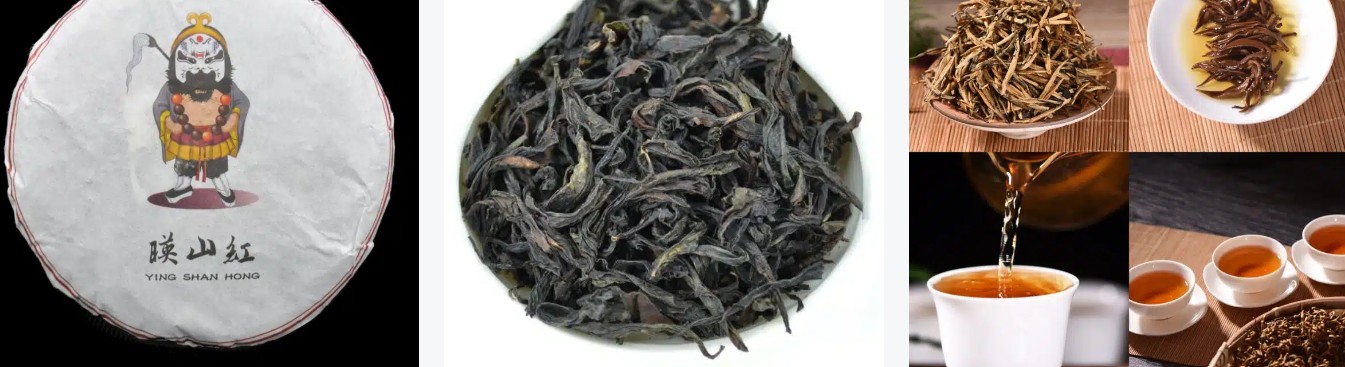
Quality loose leaf oolong tea online comes in whole, unbroken leaves. These leaves unfurl when steeped. They release complex flavors gradually.
Contrast this with tea bags. Most bags contain crushed leaves and dust. They steep quickly but lack depth. The flavor is one-dimensional.
Loose leaf gives you control. You can adjust steeping time. You can resteep the same leaves multiple times. Each infusion reveals different notes.
Purechinatea specializes in authentic Chinese loose leaf oolong sourced directly from traditional tea gardens. They work with family-owned farms that have been producing oolong for generations, ensuring you get tea that reflects centuries of craftsmanship.
Understanding Aged Oolong Tea
Fresh oolong tastes bright and floral. It’s delicious.
But aged oolong? That’s a different experience entirely.
Aging transforms oolong. The process takes years, sometimes decades. Tea masters store oolong in controlled conditions. They periodically roast the leaves to remove moisture and develop flavors.
Here’s what happens during aging:
The sharp edges smooth out. Floral notes deepen into something richer. You get hints of wood, dried fruit, and warm spices. The tea becomes mellower, more rounded.
Some aged oolongs develop a natural sweetness. Others take on earthy, almost whiskey-like qualities. The finish lingers longer in your mouth.
Think of it like aging wine or cheese. Time adds complexity that fresh products can’t match.
Purechinatea offers aged oolong varieties that have been carefully stored and periodically re-roasted following traditional Fujian methods. Their aged selections range from 5 to 20 years old, each offering distinct character development.
Why Buy Loose Leaf Oolong Tea Online?
Shopping for loose leaf oolong tea online has real advantages.
First, selection. Local stores carry limited varieties. Online shops like Purechinatea (https://purechinatea.com/) connect you directly with Chinese tea gardens. You get access to specialty oolongs that never reach retail shelves.
Second, freshness. Good online sellers source regularly. They store tea properly. You often get fresher tea than what’s been sitting in a store for months.
Third, information. Quality online shops provide detailed descriptions. You learn about the tea’s origin, processing method, and flavor profile. This helps you make informed choices.
Fourth, price. Direct sourcing often means better value. You’re not paying for multiple middlemen.
But there’s a catch. You need to shop smart.
How to Identify Quality Oolong Online
Not every online tea seller deserves your money. Here’s what separates good from bad.
Origin matters. Quality oolong comes from specific regions. Fujian province produces famous varieties like Tieguanyin and Da Hong Pao. Taiwan grows high-mountain oolongs. If a seller can’t tell you where their tea comes from, that’s a red flag.
Look at the leaves. Good sellers provide clear photos. Quality oolong has intact, whole leaves. They should look uniform in size and color. Avoid anything that looks dusty or broken.
Harvest date counts. Fresh oolong should tell you when it was picked. Spring and fall harvests are typically best. If there’s no date? Walk away.
Processing details reveal expertise. Traditional oolong takes skill to produce. Sellers who understand their product will explain oxidation levels, roasting methods, and rolling techniques.
Price signals quality. Dirt-cheap oolong usually disappoints. Premium oolong costs more because it requires skilled labor and prime growing conditions. Expect to pay $15-40 per 100 grams for good quality.
Customer reviews tell stories. Read what other buyers say. But be smart about it. Look for detailed reviews that mention taste, aroma, and resteeping ability.
The Aging Process: What You Need to Know
Not all oolong ages well. Some varieties are meant to be enjoyed fresh.
Traditional dark oolongs age best. These include heavily roasted varieties from Wuyi Mountain and certain Taiwanese oolongs. Their higher oxidation levels make them stable for long-term storage.
Lighter, greener oolongs don’t age as gracefully. They’re meant to be consumed within a year or two of production.
Proper aging requires specific conditions. Temperature stays consistent. Humidity remains controlled. The tea needs air circulation but protection from light and strong odors.
Tea masters periodically re-roast aged oolongs. This removes accumulated moisture. It also helps develop flavor. Without this step, tea can become musty or flat.
When you buy aged oolong tea, ask about storage conditions. Reputable sellers will explain their aging process. They’ll tell you how long the tea has been aged and how it was stored.
Tasting Notes: What to Expect
Fresh oolong delivers bright, complex flavors. You might taste orchids, gardenias, or fresh cream. Some varieties have peachy or buttery notes. The finish is clean.
Aged oolong tells a different story. The brightness mellows into depth. You get roasted nuts, dried longan, or dark honey. Some aged varieties have slight medicinal qualities in a pleasant way. The aftertaste is long and warming.
Texture changes too. Fresh oolong feels light on your tongue. Aged oolong has more body. It’s thicker, more viscous.
The best way to understand this? Try both. Buy a fresh oolong and an aged version. Steep them side by side. Notice how aging transforms the same base tea.
Brewing Tips for Maximum Flavor
Good tea deserves proper brewing. Here’s how to get the best from your loose leaf oolong tea online purchase.
Use the right water. Filtered or spring water works best. Tap water with heavy chlorine or minerals will mask delicate flavors.
Temperature matters. Most oolongs want water between 185-205°F. Lighter oolongs prefer cooler water. Darker, roasted varieties can handle near-boiling.
Don’t oversteep. Start with 30 seconds to 1 minute for the first infusion. Taste it. Adjust the next steep based on strength. You can always steep longer. You can’t fix oversteeped tea.
Multiple infusions are key. Good oolong should give you 5-8 infusions minimum. Some premium varieties go 10-12 rounds. Each steep reveals different flavors.
Use enough leaf. Don’t be stingy. Use about 5-7 grams per 150ml of water. This seems like a lot. But remember, you’re resteeping these leaves many times.
Get a gaiwan or small teapot. Traditional Chinese brewing uses small vessels. This lets you control infusion time precisely. It also enhances the ritual of tea drinking.
Price Ranges and Value
Understanding tea pricing helps you spot good deals and avoid scams.
Entry-level quality oolong starts around $10-15 per 100 grams. This gets you decent tea with nice flavor. It’s perfect for everyday drinking.
Mid-range oolong runs $20-40 per 100 grams. Here you find more complexity. The tea comes from better gardens. Processing is more careful. You’ll taste the difference.
Premium oolong can cost $50-150+ per 100 grams. These are special teas. Small-batch productions. Famous growing areas. Competition-grade quality.
Aged oolong typically costs more than fresh. You’re paying for storage time and the skill of aging properly. A 10-year-old aged oolong might cost 2-3 times more than its fresh counterpart.
Is expensive tea worth it? Sometimes yes, sometimes no. Start with mid-range options. As you develop your palate, you’ll know when premium makes sense for you.
Common Mistakes to Avoid
New oolong buyers make predictable errors. Learn from these mistakes.
Don’t buy based on pretty packaging alone. Fancy tins don’t guarantee quality tea. Focus on the actual product, not the presentation.
Avoid massive purchases initially. Buy small amounts first. Make sure you like the tea before committing to larger quantities.
Don’t ignore storage. Once your tea arrives, store it properly. Use airtight containers. Keep them away from light, heat, and strong smells.
Don’t expect aged oolong to taste like fresh oolong. They’re different products. If you love bright, floral tea, aged varieties might not suit you.
Don’t use boiling water on delicate oolongs. You’ll burn the leaves and extract bitter compounds. Check recommended temperatures.
Don’t give up after one infusion. Oolong’s magic happens over multiple steeps. The first infusion is just the introduction.
Health Considerations
Oolong tea offers several health benefits, though it’s not a miracle cure.
It contains antioxidants that may support overall health. Some studies suggest oolong can help with metabolism and weight management. The caffeine content provides gentle energy without the jitters coffee can cause.
Aged oolong is often gentler on sensitive stomachs. The aging process mellows the tea’s natural astringency.
But be realistic. Tea supports a healthy lifestyle. It doesn’t replace good nutrition, exercise, or medical care.
If you’re sensitive to caffeine, drink oolong earlier in the day. Most varieties contain 30-50mg of caffeine per cup, less than coffee but enough to affect sleep if consumed late.
Final Verdict: Is It Worth It?
So should you explore loose leaf oolong tea online? Absolutely.
Quality oolong delivers an experience tea bags can’t match. The complexity, the multiple infusions, the ritual of preparation—it all adds up to something special.
Aged oolong takes this further. It’s not for everyone. But if you appreciate depth and complexity in your beverages, it’s worth trying.
Start with a sampler set. Try different oxidation levels. Experiment with fresh and aged varieties. Find what speaks to your palate.
Purechinatea offers sample sizes perfect for exploration. You can test multiple varieties without breaking the bank. Their selection covers the full spectrum from light to dark, fresh to aged.
The investment pays off in daily enjoyment. Good tea turns ordinary moments into small ceremonies. It slows you down. It demands attention.
And honestly? That’s something we all need more of.
Where to Start Your Oolong Journey
Ready to buy? Here’s your action plan.
Visit https://purechinatea.com/ and browse their oolong selection. Read the descriptions carefully. Note oxidation levels and roasting styles.
Start with a sampler if available. This lets you compare varieties side by side. You’ll quickly learn what you prefer.
Order small quantities initially. Buy 25-50 grams of 2-3 different oolongs. This gives you enough to properly evaluate each tea through multiple sessions.
Take notes as you try different teas. Record what you like and don’t like. This helps refine your preferences over time.
Connect with the tea community online. Forums and social media groups offer advice and recommendations. Fellow tea lovers are usually happy to help beginners.
Most importantly, be patient. Developing your tea palate takes time. What tastes subtle at first will reveal more complexity as you gain experience.
The world of oolong is vast and rewarding. Start exploring today. Your perfect cup is waiting.