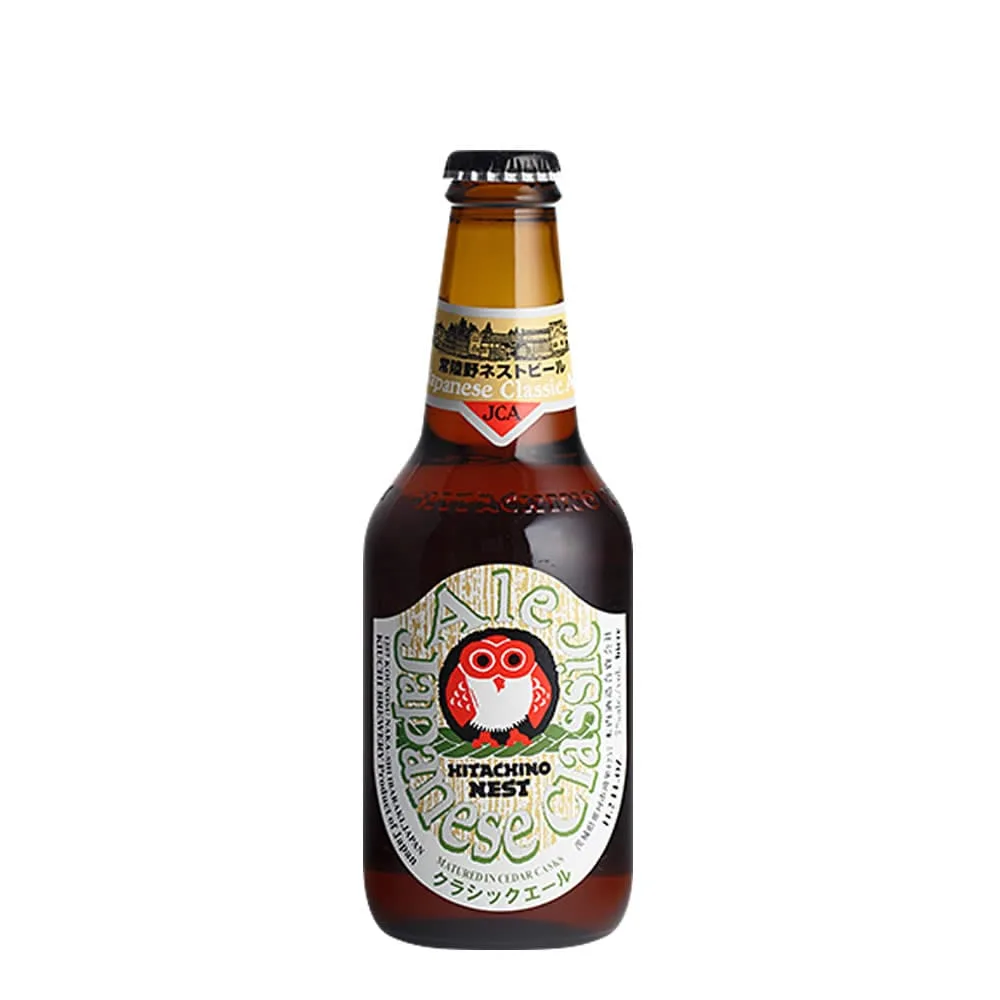
The craft beer revolution has reshaped the way small hospitality businesses operate in Mexico. Cafés, bistros, pizzerias and boutique restaurants that once relied solely on standard commercial beer brands are now discovering the immense value of offering cerveza artesanal options. Customers are increasingly looking for authenticity, unique flavors and quality beverages they can’t find just anywhere. For business owners, adding the right selection of craft beers can increase sales, improve customer satisfaction, and significantly strengthen their brand identity.
But with so many breweries, styles and flavor profiles available today, choosing the right mix of craft beer can feel overwhelming. That’s exactly why this guide was created: to help cafés and bistros select a profitable, appealing and well-balanced assortment of cervezas artesanales that their customers will love.
Why Craft Beer Matters for Cafés and Bistros
Craft beer isn’t just a drink — it’s a complete experience. When a small establishment adds artisanal beer to its menu, it immediately enhances its value proposition. Customers perceive the business as more modern, sophisticated and committed to quality.
Here’s why small establishments are embracing the trend:
✔ Higher Profit Margins
Craft beers are considered premium products, giving cafés and bistros the ability to charge higher prices.
✔ A Unique Selling Point (USP)
Most small coffee shops or cafés don’t offer craft beer, so doing so instantly differentiates your business.
✔ Stronger Brand Identity
Artisanal products communicate authenticity, creativity and attention to detail.
✔ Better Customer Retention
Offering “something special” keeps customers coming back.
Simply put: adding cervezas artesanales is one of the easiest ways to elevate the customer experience and increase sales.
Know Your Customers Before Selecting Your Craft Beers
Before building your craft beer menu, you need to understand the type of people your business serves.
✔ Do your customers prefer sweeter, lighter drinks?
Offer wheat beers and light lagers.
✔ Do they enjoy bold flavors?
Add IPAs, stouts or amber ales.
✔ Do they have sophisticated tastes and appreciate imported products?
Offer Belgian or German beers.
✔ Are you located in a tourist area?
Include cervezas mexicanas (local craft options) and international classics.
Understanding your audience ensures you purchase smartly, avoid unnecessary stock and select beers that sell consistently.
The Core Types of Craft Beer Every Café/Bistro Should Stock
To offer a balanced selection of “cerveza artesanal,” your menu should include variety — but not too much. Many small establishments succeed with a curated selection of 4 to 6 high-quality beer styles.
✔ 1. IPA (India Pale Ale)
Strong hop aromas, citrus notes and bitterness. Ideal for customers who prefer bold flavors.
✔ 2. Lager Artesanal
Clean, refreshing and easy to drink — perfect for beginners.
✔ 3. Wheat Beer (Weissbier)
Smooth, fruity and slightly sweet. Pairs well with pastries, desserts and light dishes.
✔ 4. Stout or Porter
Chocolate, coffee and roasted notes. These beers match perfectly with chocolate desserts, pastries or breakfast menu items.
✔ 5. Amber Ale
Balanced, caramel-toned and versatile.
✔ 6. Seasonal or Limited Edition Beer
Rotating beers keep the menu interesting and encourage repeat visits.
When ordering cervezas artesanales,aim for variety rather than volume. Customers appreciate choice, but they don’t want an overwhelming menu.
Consider Adding Imported Options for Premium Appeal
Imported craft beers are powerful profit-makers because they carry higher perceived value. Offering premium international beers signals that your establishment is serious about quality.
Here are three popular imported categories to consider:
cervezas alemanas (German beers)
German beers are famous worldwide for their purity and tradition. Styles include Pilsner, Weizenbier and Bock.
Why cafés and bistros love them:
- Excellent food pairings
- Very consistent quality
- Customers trust German brewing heritage
cervezas mexicanas (Mexican craft beers)
Mexico has a thriving craft beer scene. Adding Mexican artisanal beers supports local businesses and appeals to customers seeking authentic regional flavors.
Why you should offer them:
- Customers love local brands
- Unique ingredients such as cacao, chile, coffee or tropical fruits
- Great profitability
cervezas belgas (Belgian beers)
Belgium is home to some of the most complex and refined beers in the world, including Trappist ales and strong golden ales.
Why cafés and bistros benefit:
- Pairs well with cheese boards, pastries and gourmet snacks
- Appeals to beer enthusiasts
- Adds a premium, sophisticated image
5. Choose a Reliable Wholesale Supplier
Once you determine which styles and categories fit your business, you must choose the right wholesale partner. This is where the concept of cervezas por mayoreo becomes essential.
A high-quality distribuidor de cervezas ensures:
✔ Fresh, properly stored beer
Craft beer is sensitive to temperature and handling.
✔ Consistent availability
Your customer favorites remain in stock.
✔ Express shipping
You avoid inventory shortages.
✔ Bulk pricing
Lower costs mean better profit margins.
✔ Warranty for broken bottles
A huge benefit that protects your investment.
This ensures you receive authentic products, proper handling and professional support.
6. Balance Your Beer Menu With Your Food Menu
A craft beer menu should complement—not compete with—the dishes you serve.
✔ For cafés and breakfast spots
- Wheat beers
- Stouts
- Light lagers
These pair well with pastries, sandwiches and desserts.
✔ For bistros and casual dining
- IPAs
- Amber ales
- Belgian beers
These styles match richer dishes like pasta, paninis, burgers or grilled plates.
✔ For pizzerias
- Pale ales
- Amber lagers
- Mexican craft beers
Craft beer enhances pizza flavors dramatically.
Food and beer pairing can become a unique selling point for your business.
7. Use Craft Beer to Improve Marketing and Customer Engagement
Offering “cerveza artesanal” isn’t just about the menu — it’s a powerful marketing tool.
Here are some creative ideas:
✔ Host tasting events
Customers love trying different beers in small flights.
✔ Promote monthly “beer of the month” specials
Great for social media engagement.
✔ Collaborate with local breweries
Exclusive brews or signature collaboration beers attract attention.
✔ Offer pairing suggestions on the menu
Customers appreciate guidance and tend to order more.
✔ Create seasonal promotions
Summer wheat beers, autumn amber ales, Christmas Belgian ales — seasonal rotation encourages repeat visits.
Craft beer can be leveraged to build a loyal community around your café or bistro.
8. Don’t Overbuy—Start Small and Expand Based on Data
A common mistake small business owners make is buying too much beer at once. Craft beer has limited shelf life, and its flavors can deteriorate when stored improperly.
Here’s the best strategy:
✔ Start with a curated selection of 4–6 beers
Cover variety without overwhelming customers.
✔ Track customer preferences
Notice which styles sell the fastest.
✔ Expand based on performance
Gradually increase your selection.
✔ Rotate options monthly
Keep the menu fresh and exciting.
This approach ensures you don’t waste inventory and helps you understand your market better.
How to Display and Present Craft Beer on Your Menu
Presentation plays a major role in increasing sales.
✔ Add tasting notes
Brief flavor descriptions help customers make decisions.
✔ Use attractive menu sections
Label it as Craft Beer Selection or Artisan Brews.
✔ Highlight imported options
Belgian and German beers add a premium element.
✔ Include food pairing recommendations
This increases customer satisfaction and average order value.
✔ Train your staff
Friendly suggestions from staff boost conversions significantly.
Craft beer sells better when your menu presents it as a curated, thoughtful selection.
FAQ – Craft Beers for Cafés and Pizzerias
1. What are craft beers and how are they different from regular beers?
Craft beers are produced in small batches using high-quality ingredients and traditional or innovative brewing techniques. They offer richer flavors, unique styles, and more experimentation compared to mass-produced beers.
2. How many craft beers should a café or pizzeria offer?
Most establishments perform best with 4 to 6 carefully selected craft beers that cover essential styles like lager, IPA, wheat beer, amber ale, and stout.
3. Should I choose local craft beers or imported options?
Both are valuable. Local craft beers connect well with customers and often offer great margins, while imported beers such as Belgian, German, or American styles elevate the menu and appeal to beer enthusiasts.
4. Which beer styles pair best with pizzas, pastries, or café-style foods?
- Pizza: IPAs, amber ales, lagers
- Pastries or desserts: Stouts (chocolate), wheat beers (light desserts), fruit ales (cheesecake, fruity pastries)
- Sandwiches or light snacks: Wheat beers, blonde ales
5. Is it better to buy craft beer individually or wholesale?
For businesses, buying wholesale is almost always the better choice. It reduces cost per unit, ensures consistent availability, and provides better control over inventory rotation.
6. How do I choose a reliable beer distributor?
Look for a distributor with:
- Experience supplying cafés, bars, and restaurants
- Fast, reliable delivery
- Broken-bottle guarantees
- A wide portfolio of both local and imported beers
- Good reviews or recommendations
7. How should craft beer be stored in a café or pizzeria?
Store beer in a cool, stable environment, avoid direct light, rotate stock by expiration date, and keep bottles upright when appropriate. This preserves freshness and flavor.
8. How can craft beers help increase sales?
You can boost revenue by offering tasting flights, pairing suggestions, limited-edition beers, seasonal releases, and organizing tasting events or beer-and-food nights.
9. What profit margin can I expect from selling craft beer?
Most cafés and pizzerias see a 20–40% increase in average ticket size when they promote and pair craft beers effectively.
10. Should I include tasting notes on the menu?
Yes. Short tasting notes (1–2 lines) greatly help customers understand the beer and increase their likelihood to order.
11. Can my business partner with local breweries?
Absolutely. Collaborations, exclusive releases, and co-hosted events attract attention, generate social media content, and build customer loyalty.
12. How do I know if my craft beer selection is working?
Track sales per beer, rotation speed, customer feedback, repeat orders, and performance of promotions. Adjust your menu based on real-world data.
Final Recommendations for Choosing Craft Beer for Your Business
To summarize, selecting the right “cerveza artesanal” for your café or bistro comes down to:
✔ Understanding your customers
Know their preferences and purchasing habits.
✔ Offering balanced variety
Include multiple styles without overwhelming your menu.
✔ Mixing local and imported options
Craft a versatile, attractive selection.
✔ Partnering with a reliable wholesaler
Use a trusted distribuidor de cervezas
✔ Curating a visually appealing menu
Good presentation leads to higher sales.
✔ Using craft beer as a marketing tool
Events, tastings and seasonal releases attract loyal customers.
With the right approach, adding cervezas artesanales can transform your café or bistro into a premium, memorable destination for beer lovers and everyday guests alike.