Buying gold or silver used to mean visiting a dusty shop in person. You had to carry cash and walk out with heavy coins in your pocket. It felt risky. Things have changed. Now, it is much easier to buy precious metals online. You can browse thousands of coins from your couch. You can compare prices in seconds. But the internet also brings new risks. You need to know who to trust. Finding the right precious metals dealer is the most important step you will take.
This guide will help you understand the process. We will look at how to spot a good seller. We will discuss what to buy. We will also talk about shipping and safety. Investing in physical metal is a big decision. You want to make sure your money is safe. You want to make sure the product is real. Let’s look at how to buy precious metals online without the stress.
Why Buy Metals on the Internet?
You might wonder why you should not just go to a local shop. Local shops are great. But they have limits. A local store has limited space. They can only hold so much inventory. If you want a specific year of a Gold Eagle coin, they might not have it.
Online dealers are different. They often have huge warehouses. They can stock thousands of items. This means you have more choices. You can find exactly what you want. You are not limited to what is in the display case.
Price is another big factor. Local shops have to pay for rent and electricity for their storefront. This is called overhead. They often pass these costs to you. Online dealers operate differently. They can serve customers all over the country. This volume often allows them to offer lower prices. You can save money on the “premium.” The premium is the extra cost you pay above the raw metal value.
Privacy is also important. Some people do not like walking into a coin shop. They worry about security. Buying online is private. The package arrives at your door. It looks like any other box. No one knows you just bought gold.
Understanding the Two Main Types of Metals
Before you spend money, you need to know what you are buying. Most metal falls into two groups.
The first group is bullion. Bullion is strictly for investing in the metal itself. Think of gold bars or standard silver coins. You buy these because you think the price of gold will go up. The value is based on the weight. If you have an ounce of gold, it is worth the market price of an ounce of gold. It is simple.
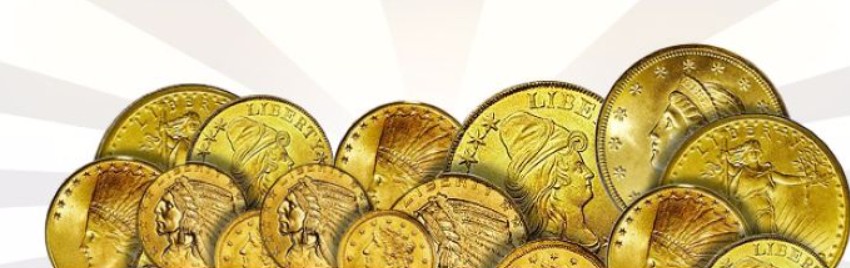
The second group is numismatics. This is a fancy word for rare or collectible coins. These coins are worth more than just the metal inside them. Their value comes from history. It comes from rarity. It comes from the condition of the coin.
This is where a company like Park Avenue Numismatics shines. They understand the collector market. They know that a coin from 1900 might be worth far more than a coin from 1901. Collecting numismatic coins is a hobby and an investment. It requires more knowledge than buying bars. But the rewards can be higher if you pick the right pieces.
How to Choose a Safe Dealer
This is the scary part for new buyers. You send money to a website. You hope they send real gold back. How do you know they are honest?
First, look at their history. A scam site will not last long. Look for dealers who have been in business for years. Longevity matters in this industry. If they have been around for decades, they are doing something right.
Check for a physical address. A real business has a headquarters. You should be able to find it on a map. If a website only lists an email address, be careful. You want to know you can find them if something goes wrong.
Read their guarantee. A good dealer stands behind their products. They guarantee the authenticity of every coin. They should have a return policy. If you get a coin and you don’t like it, you should be able to return it.
Park Avenue Numismatics is a good example here. They are a well-established dealer specializing in rare coins and precious metals. They offer a wide selection of high-quality numismatic items and bullion. They focus on helping collectors build valuable portfolios. You can verify their reputation easily.
The Buying Process: Step-by-Step
Let’s walk through what happens when you actually place an order. It is similar to buying clothes or electronics, but with a few extra security steps.
Step 1 is selecting your metal. You browse the website. You decide if you want gold, silver, platinum, or palladium. You decide if you want bars or coins. You add them to your cart.
Step 2 is locking in the price. Gold prices change every minute. The market is always moving. When you go to checkout, the dealer will usually “lock” the price. This means the price is fixed for a short time, maybe 10 minutes. You have to finish your order in that time. If you wait too long, the price might change.
Step 3 is payment. This is different from Amazon. Credit cards cost the merchant money. They charge fees. Because profit margins on gold are slim, dealers often charge you extra for using a card. You might pay 3% or 4% more. To get the best price, you often have to pay with a bank wire or a check. It takes longer, but it saves you money.
Step 4 is shipping. Once they get your money, they ship the package. This is the part people worry about. But professional dealers have this figured out. They use discreet packaging. The box does not say “Gold Inside.” It usually has a boring return address.
Shipping and Insurance
You might worry about the package getting lost. What if the mail truck crashes? What if the package is stolen from your porch?
Legitimate dealers insure every package. This is vital. Do not buy from a private seller on a forum unless you know them well. They might not have insurance. A professional dealer covers the risk. The metal is their responsibility until you sign for it.
Signature confirmation is standard. The mail carrier will not just leave a box of gold on your mat. You have to be there to sign. If you are not home, they take it back to the post office. This adds a layer of safety.
Storage: Where Do You Put It?
So you bought the gold. It arrived safely. Now what? You need a place to put it. You have a few options.
Home Storage This is the most popular choice. You keep the metal in your house. You have full control. You can hold it whenever you want. But you also have full responsibility. You need a good safe. A cheap fire box is not enough. You want a heavy safe that is bolted to the floor. You should also tell your home insurance company. Standard policies might not cover large amounts of gold. You might need a “rider” or extra coverage.
Bank Safe Deposit Box This feels safe. Banks have big vaults. But there are downsides. You can only get your gold when the bank is open. If there is a banking crisis or a holiday, you are locked out. Also, bank boxes are generally not insured by the bank for contents like cash or gold.
Depository Storage This is for serious investors. You buy the metal, but you never touch it. The dealer sends it to a secure vault company. These are fortress-like buildings. They have armed guards and 24/7 security. It costs money to store it there. But it is very safe.
Spotting Red Flags
You need to watch out for bad deals. If a price looks too good to be true, it is.
Gold has a “spot price.” This is the global price for raw gold. No one sells gold below the spot price. If gold is $2000 an ounce, and a website is selling a gold coin for $1900, run away. It is fake. A dealer has to make a profit. They will always charge the spot price plus a premium.
Be careful of “cold calls.” Honest dealers do not call you out of the blue to sell you metal. If someone calls you and pressures you to buy “rare” coins immediately, hang up. High-pressure sales tactics are a bad sign.
The Role of Grading
When you look at Park Avenue Numismatics, you will see coins in plastic holders. These are “slabbed” coins. They have been graded.
Grading is done by a third-party company. They look at the coin. They decide how perfect it is. They give it a number from 1 to 70. A 70 is perfect. A 60 is uncirculated but has some marks.
Grading protects you. It proves the coin is real. It proves the condition. When you buy a graded coin, you know exactly what you are getting. It makes it easier to sell the coin later. You don’t have to argue about the condition. The grade is on the label.
Pros of Buying Online
Let’s look at the good parts of this process.
Convenience is the biggest pro. You can shop at midnight. You don’t have to drive in traffic. You can take your time. You can research every coin before you buy it.
Selection is the next big pro. You can find almost anything. If you want a specific silver dollar from 1885, you can find it. A local shop might not see that coin for years.
Pricing is transparent. You can open five different tabs on your computer. You can compare the price of the same coin across five dealers. You can make sure you are getting the best deal.
Cons of Buying Online
We have to be honest about the downsides too.
You cannot hold the item first. You have to trust the photos. This is why high-resolution images are important.
There is a delay. You pay your money, and then you wait. It might take a week or two for your check to clear and the package to arrive. You need patience.
Customer service varies. Some big websites are just warehouses. If you have a question, it might be hard to talk to a human. This is why smaller, expert firms are often better. They have staff who actually know about coins.
Why Expert Advice Matters
Buying bullion is easy. Buying rare coins is hard. There is a lot to learn. You need a partner who knows the history.
This is where a dealer’s expertise comes in. A company like Park Avenue Numismatics does more than just sell. They act as consultants. They can help you build a collection that makes sense. Maybe you want to collect coins from the Civil War era. Maybe you like ancient Roman coins. An expert can guide you. They can tell you which coins are undervalued. They can warn you about overpriced trends.
You can visit them at Park Avenue Numismatics to see their inventory. They offer a level of knowledge that you won’t find at a generic bullion warehouse.
Selling Your Metals Later
You buy metals to protect your wealth. But someday, you will want to sell. You need an “exit strategy.”
Most online dealers will also buy from you. This is a good sign. If they sell it, they should be willing to buy it back. You can usually ship the metal back to them. They will verify it and send you a check.
Local shops are also good for selling. You can get cash instantly. But they might pay less than an online dealer. It is always good to check both options.
Keep your paperwork. Keep the receipts. If you sell for a profit, you might have to pay taxes. Having proof of what you paid is essential.
Tips for First-Time Buyers
Start small. Do not spend your life savings on your first order. Buy one or two ounces of silver. See how the process works. See how the shipping feels. Get comfortable.
Stick to recognized items. Buy American Eagles or Canadian Maples. Everyone knows these coins. They are easy to sell. Do not buy obscure bars from a mint no one has heard of.
Educate yourself. Read about the history of the coins. Understand why some are worth more. The more you know, the better decisions you will make.
Avoiding “Fool’s Gold”
Counterfeit coins are a real problem. Fake coins from overseas are getting better. They can fool the eye. They can even weigh the correct amount.
This is why the source is everything. Never buy from a random person on social media. Never buy from a site that has no reviews. Stick to the professionals. They have machines that test the metal. They use X-ray scanners to check the purity. They do the work so you don’t have to.
The Verdict
Buying precious metals is a smart way to diversify. It adds a layer of safety to your financial life. It protects you against inflation.
The internet has made this easier than ever. You have the world’s inventory at your fingertips. But you must stay vigilant. You must choose your partners carefully.
Focus on reputation. Focus on history. Look for dealers who offer education, not just sales pitches. Whether you are buying a single silver coin or a rare gold piece, the rules are the same. Do your homework. Compare prices. And always prioritize safety over the lowest possible price.
If you follow these steps, you can build a collection that lasts a lifetime. You can hold real wealth in your hands. That is a feeling that digital numbers on a screen can never match.