When skin concerns pop up, knowing where to turn makes all the difference. If you’re dealing with unwanted growths on your skin, understanding your options for wart treatment Orange CA and mole treatment Orange CA helps you make smart choices about your skin health. These common skin conditions affect thousands of people in Orange County each year. While they’re often harmless, getting proper treatment from qualified professionals ensures both your health and peace of mind.
Understanding Common Skin Growths
Skin growths come in many forms. Some appear suddenly while others develop slowly over time. Warts show up as rough, raised bumps that feel different from your normal skin. They’re caused by a virus called human papillomavirus, or HPV for short. This virus spreads through direct contact with infected skin or surfaces. You might pick it up at the gym, pool, or even from a handshake. The virus enters through tiny cuts or breaks in your skin that you might not even notice.
Moles work differently. Most people develop them naturally as they grow up. They’re clusters of pigmented cells that can be flat or raised. Some folks are born with moles while others see them appear during childhood and teenage years. The average adult has between ten and forty moles on their body. Most stay the same size and color throughout your life. But some change over time, and that’s when you need to pay attention.
Why People Seek Treatment
Many Orange County residents choose to remove warts for practical reasons. These growths can spread to other parts of your body or to other people. If you have kids, you probably worry about passing them along. Warts on your hands can make simple tasks uncomfortable. They catch on clothing and get irritated easily. Some people feel self-conscious about visible warts, especially on their face or hands.
Moles require a different approach. While many are harmless, some carry risk. Doctors look for specific warning signs that a mole might be problematic. The shape matters. So does the color, size, and whether it changes over time. People seek treatment for moles that look unusual or that have started changing. Others simply want to remove moles for cosmetic reasons. A raised mole on your face might bother you even if it’s perfectly healthy.
What Professional Treatment Looks Like
Professional dermatologists use several methods to remove warts. The most common approach involves freezing them with liquid nitrogen. This treatment, called cryotherapy, destroys the wart tissue by creating an intense cold that kills the affected cells. You might need multiple sessions spaced a few weeks apart. Each session takes just a few minutes. Some patients experience mild discomfort during the freezing process, but it’s quick.
Another option uses prescription medications applied directly to the wart. These treatments work by triggering your immune system to fight the virus. They take longer than freezing but work well for certain types of warts. For stubborn cases, doctors might use minor surgical procedures. They numb the area first, then carefully remove the wart. This ensures complete removal and reduces the chance it’ll come back.
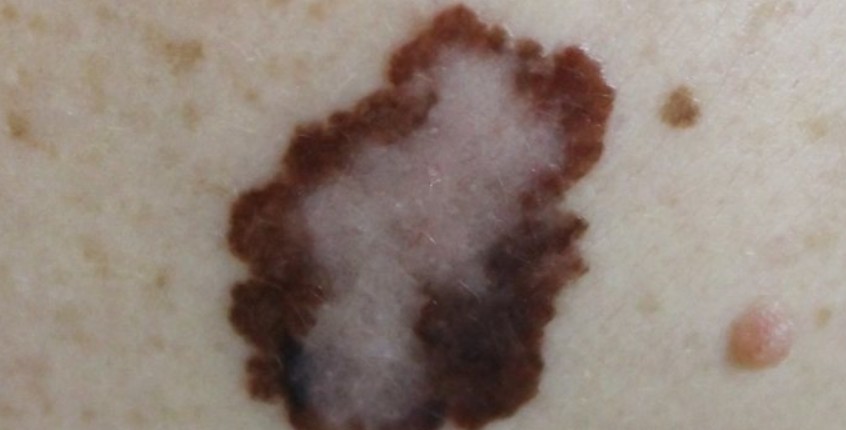
Mole removal follows stricter protocols because of cancer concerns. Coastal Dermatology & Plastic Surgery takes a thorough approach to every mole evaluation. The doctors first examine each mole carefully. They look for the ABCDE warning signs that dermatologists use to spot potential problems. Asymmetry means one half doesn’t match the other. Border irregularity shows ragged or blurred edges. Color variations within a single mole raise concern. Diameter larger than a pencil eraser needs attention. Evolving moles that change in size, shape, or color require immediate evaluation.
If removal is necessary, the doctor numbs the area completely. They then use precise surgical techniques to remove the entire mole. For flat moles, they might shave it off at skin level. Deeper moles require cutting out the entire growth and some surrounding tissue. This ensures complete removal. The sample always goes to a lab for testing. This step is crucial because it confirms whether the mole contained any abnormal cells.
The Coastal Dermatology Difference
Coastal Dermatology & Plastic Surgery brings over 45 years of combined experience to Orange County. Their team includes six physicians trained at top medical schools like Stanford, Yale, and UCLA. They understand that skin concerns affect more than just your appearance. Your skin health connects to your overall wellbeing and confidence. That’s why they focus on patient education. They want you to understand what’s happening with your skin and why certain treatments work best for your situation.
The practice serves Los Alamitos, Lakewood, Westminster, Orange, and surrounding communities. They maintain multiple convenient locations throughout Orange and Los Angeles Counties. This means you don’t have to travel far to get expert care. Their providers specialize in early detection and treatment of all skin cancers, including the most serious type called melanoma. They’re not just removing unwanted growths. They’re protecting your long-term health.
When to See a Specialist
Some people try over-the-counter wart treatments first. These products contain acids that slowly break down wart tissue. They work for some folks but take weeks or months of daily application. If you’ve tried drugstore treatments without success, professional help speeds up the process. Warts in sensitive areas like your face or genitals always require professional treatment. Don’t risk scarring or spreading the virus by trying home remedies in these spots.
For moles, the timeline matters more. Any mole that changes deserves immediate attention. This includes changes in size, color, shape, or texture. New moles appearing after age thirty warrant examination. Moles that bleed, itch, or become painful need professional evaluation right away. Don’t wait and worry. Early detection of skin cancer makes treatment much easier and more successful.
People with many moles face higher risk and benefit from regular skin checks. If you have more than fifty moles, schedule annual exams with a dermatologist. The same goes for anyone with a family history of skin cancer or melanoma. Fair-skinned individuals who burn easily in the sun should also get regular checkups. These visits let doctors track your moles over time and catch any concerning changes early.
What to Expect During Your Visit
Your first appointment starts with a conversation. The doctor asks about your medical history and any skin concerns you’ve noticed. They want to know about sun exposure, previous skin treatments, and family history of skin conditions. This information helps them understand your unique risk factors and needs.
The examination itself is straightforward. The doctor looks at each area of concern closely. They might use a special magnifying tool called a dermatoscope. This device lets them see details invisible to the naked eye. For warts, they confirm the diagnosis through visual examination. The appearance and location usually make identification easy.
Mole evaluation takes more time and attention. The doctor measures each mole and notes its characteristics. They compare current moles to previous documentation if you’re an established patient. New or changing moles get extra scrutiny. If anything looks suspicious, they’ll recommend removal and biopsy. This process provides definitive answers about what’s happening with your skin.
Treatment often happens the same day for straightforward cases. The staff explains each step before they begin. They make sure you feel comfortable and understand what’s happening. After treatment, they provide clear instructions for caring for the treated area at home. Most people return to normal activities immediately, though you’ll need to keep the area clean and protected while it heals.
Recovery and Results
Wart removal sites heal within a few weeks. You might see some redness or slight discoloration that fades over time. The treated area might feel tender for a few days. Most people manage any discomfort with over-the-counter pain relievers. Keep the area clean and dry as directed. Watch for signs of infection like increasing redness, warmth, or pus. These are rare but require prompt attention.
Mole removal creates a small wound that heals gradually. The doctor might place stitches if they removed a deeper mole. These dissolve on their own or get removed at a follow-up visit. The healing process takes two to four weeks depending on the size and location. Scars fade significantly over time, often becoming barely noticeable. The plastic surgery expertise at www.coastaldermatologyandplasticsurgery.com ensures the best possible cosmetic outcomes.
Lab results from mole biopsies typically come back within a week or two. If the mole was benign, you’re done. If the pathology shows precancerous or cancerous cells, the doctor discusses next steps with you. This might include removing additional tissue or scheduling regular follow-up exams. Early detection means excellent treatment outcomes for the vast majority of patients.
Prevention and Ongoing Care
After successful wart treatment, prevent recurrence by practicing good hygiene. Wash your hands frequently, especially after touching public surfaces. Don’t share towels, razors, or other personal items. Wear flip-flops in public showers and pool areas. Keep your skin healthy and intact since the virus enters through breaks in the skin. If you notice new warts developing, seek treatment promptly before they spread.
Mole prevention focuses on sun protection. Use broad-spectrum sunscreen with SPF thirty or higher every day. Reapply every two hours when outdoors. Wear protective clothing including wide-brimmed hats and long sleeves when possible. Avoid tanning beds completely. The UV radiation they emit increases skin cancer risk significantly. Stay in the shade during peak sun hours between ten in the morning and four in the afternoon.
Regular self-exams help you monitor your skin between professional checkups. Check your entire body once a month. Use a full-length mirror and a hand mirror to see hard-to-reach areas. Look for new growths, changing moles, or spots that look different from your other moles. Take photos of concerning areas so you can track changes over time. Any changes warrant a call to your dermatologist.
Making the Right Choice
Choosing where to get skin treatments matters. Experience counts when it comes to proper diagnosis and removal techniques. Board-certified dermatologists have completed extensive training specifically in skin conditions. They understand the subtle differences between harmless growths and serious problems. This expertise protects your health and gives you confidence in your treatment.
Location and convenience affect whether you’ll actually follow through with treatment and follow-up care. Coastal Dermatology & Plastic Surgery’s multiple Orange County locations make it easy to fit appointments into your busy schedule. Their established reputation and decades of service show their commitment to the community. They’re not just treating skin conditions. They’re building long-term relationships with patients and families.
The combination of medical and cosmetic expertise sets them apart. Their plastic surgeon works alongside dermatologists to ensure treatments achieve both health and aesthetic goals. This matters especially for treatments on visible areas like your face and hands. You want complete removal of the growth and a result that looks natural and heals well.
Final Thoughts
Dealing with warts and moles doesn’t have to be stressful. Professional treatment removes these growths safely and effectively. The key is finding qualified providers who combine medical expertise with genuine concern for your wellbeing. Don’t let embarrassment or fear keep you from seeking help. These are common conditions with straightforward solutions when handled by experienced professionals.
Orange County residents have access to excellent dermatological care close to home. Whether you’re concerned about a changing mole or frustrated by persistent warts, expert help is available. The peace of mind that comes from proper evaluation and treatment is worth the appointment. Your skin is your body’s largest organ. Taking care of it through professional treatment when needed is an investment in your overall health and confidence.
Remember that early action leads to better outcomes. Small problems are easier to fix than ones you’ve ignored for years. If something on your skin concerns you, trust that instinct. Make the call and schedule an evaluation. Most visits take less than an hour and provide definite answers about what you’re dealing with. That knowledge alone reduces anxiety and helps you move forward with confidence.